Preventive Measures
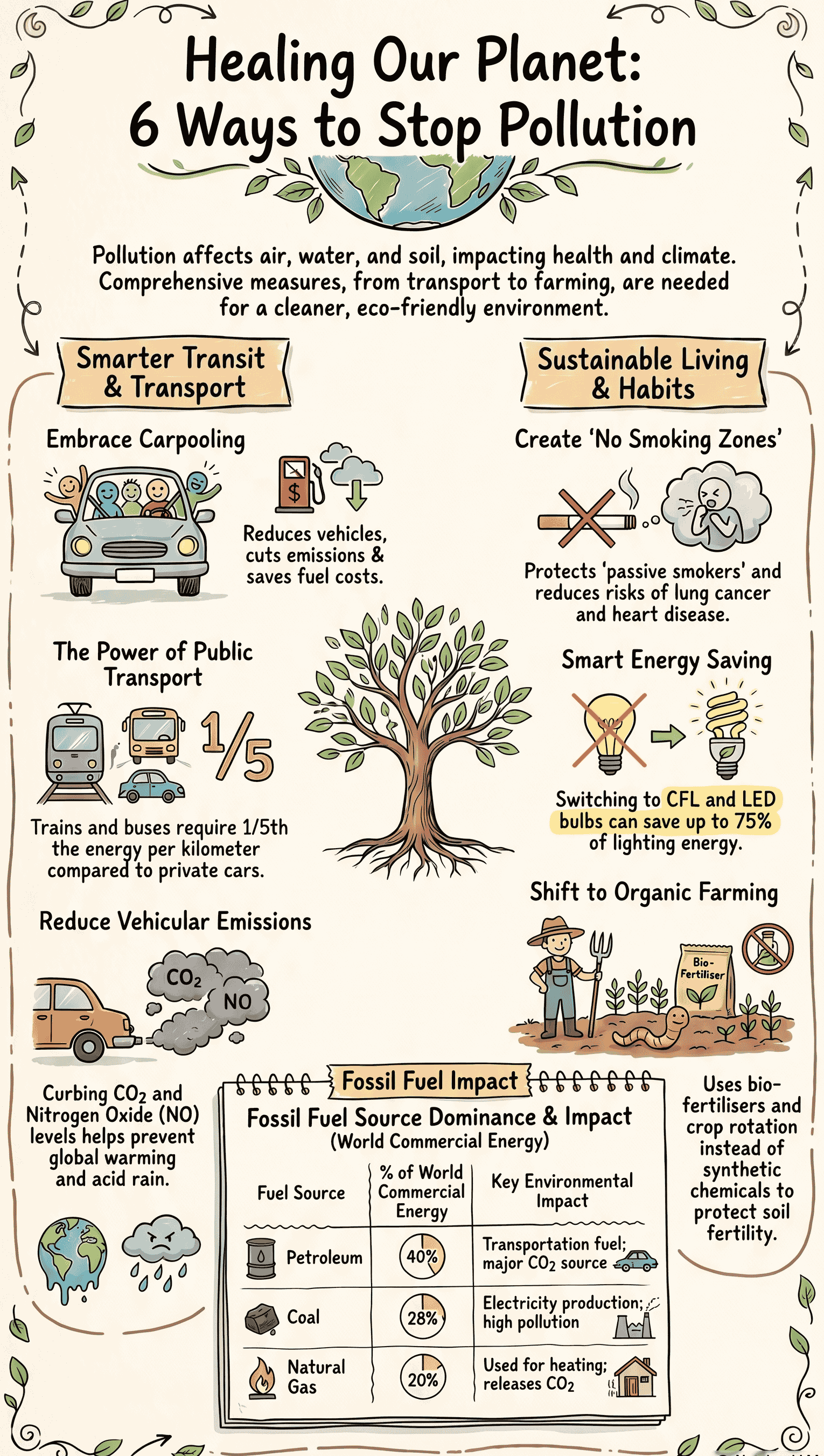
Pollution severely impacts the air, water, and soil essential for life. It is primarily driven by industrial effluents, motor vehicle emissions, the burning of fossil fuels, and chemical agriculture. To counter this growing environmental menace, a comprehensive set of preventive measures is absolutely necessary.
1. Addressing Vehicular Pollution
- The Root Cause: A rapid increase in private vehicle ownership, coupled with inadequate public transport, has led to choked city roads and significant traffic jams.
- Global Warming: Vehicle emissions release massive amounts of carbon dioxide, which traps heat in the atmosphere and acts as the primary driver of climate change.
- Air Quality Degradation: Vehicles are responsible for the vast majority of carbon monoxide, hydrocarbons, nitrogen oxides (NOx), and harmful particulates in urban areas.
- Acid Rain: Nitrogen oxides from exhaust react with atmospheric water to form nitric acid, leading to acid rain which causes widespread environmental damage.
2. Implementing Carpools
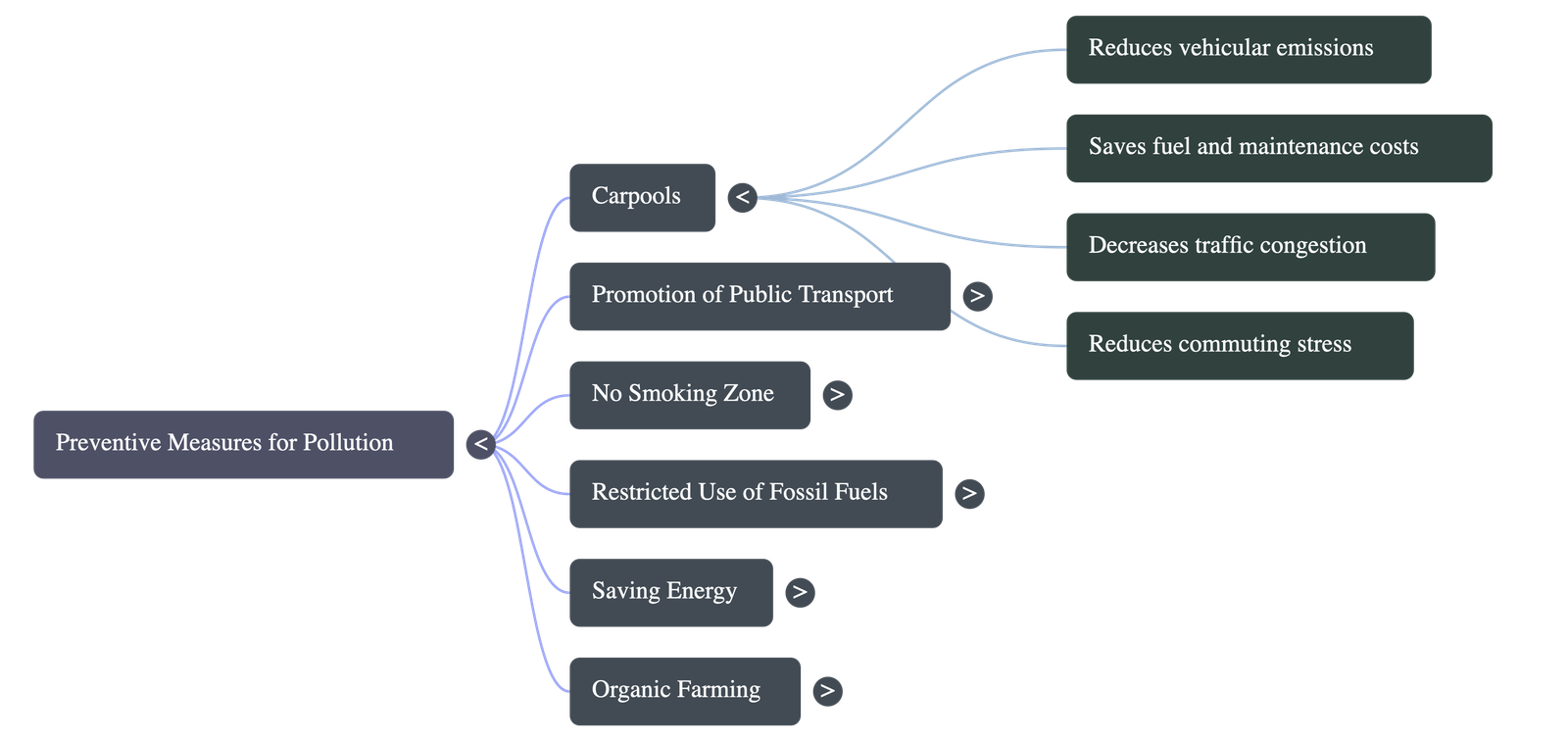
Carpooling is the practice of sharing car journeys with other people traveling on the same route.
- Reduces Air Pollution: Directly cuts down the number of vehicles on the road, significantly reducing harmful tailpipe emissions.
- Financial Benefits: Allows individuals to save heavily on fuel purchases and routine vehicle maintenance costs.
- Resource Conservation: Saves national reserves of petrol and diesel, subsequently saving foreign exchange spent on importing fuel.
- Traffic Mitigation: Eases road congestion, prevents daily traffic jams, and lowers the wear-and-tear costs of road repairs.
- Productive Time: Allows commuters to spend their travel time reading, working, or simply relaxing instead of driving in stressful conditions.
- Social Advantages: Sharing rides helps individuals de-stress by socializing and building community connections.
3. Promotion of Public Transport
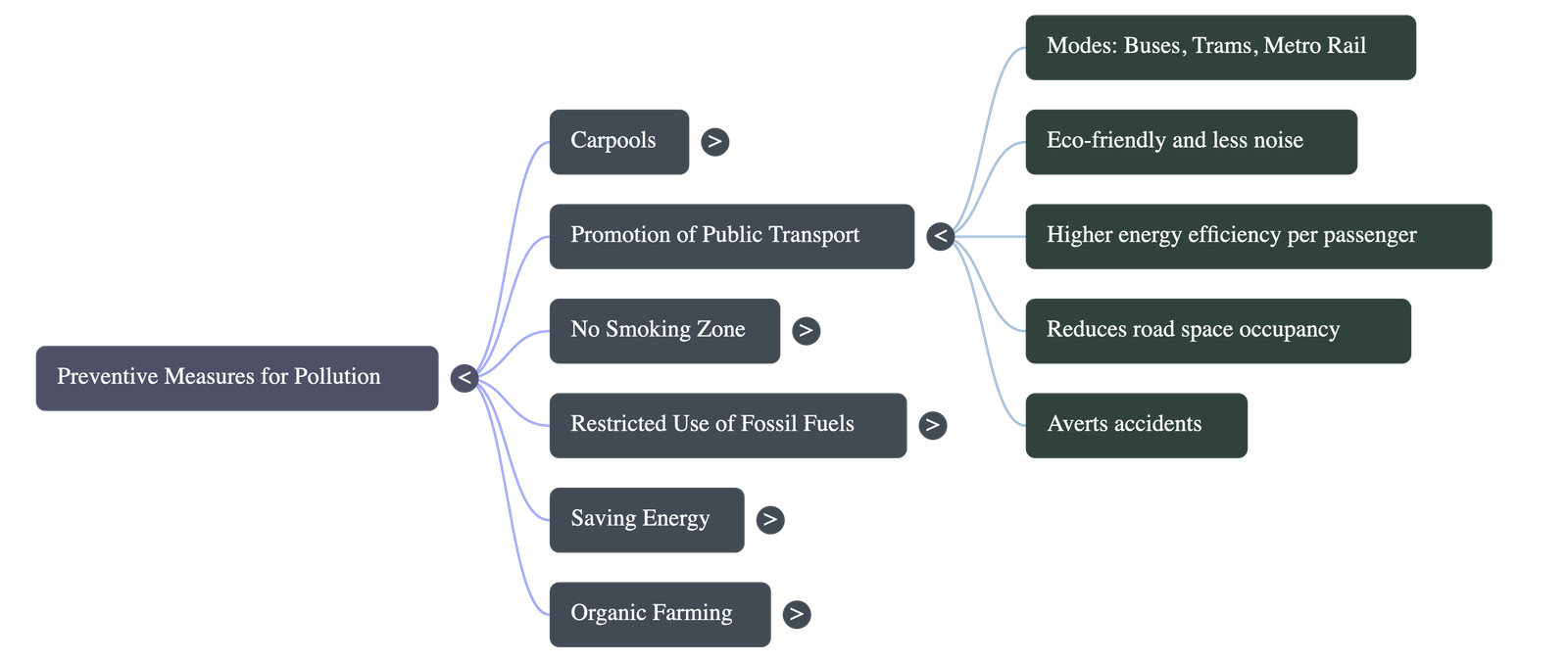
Public transport includes shared passenger systems like city buses, trams, passenger trains, and metro rails.
- Drastic Emission Reduction: One single bus emits far fewer fumes than 20 individual cars, massively reducing environmental damage.
- High Energy Efficiency: Requires only one-fifth of the energy per passenger per kilometer compared to personal road transport.
- Eco-Friendly Alternative: Produces considerably less noise and overall air pollution than widespread private vehicle use.
- Space Conservation: Eliminates the need for vast personal parking spaces. Underground or elevated systems (like metros) require almost no road space.
- Safety and Cost: Traveling by public transport is statistically safer and averts many road accidents, while also saving individuals the cost of maintaining a personal vehicle.
4. Establishing No Smoking Zones
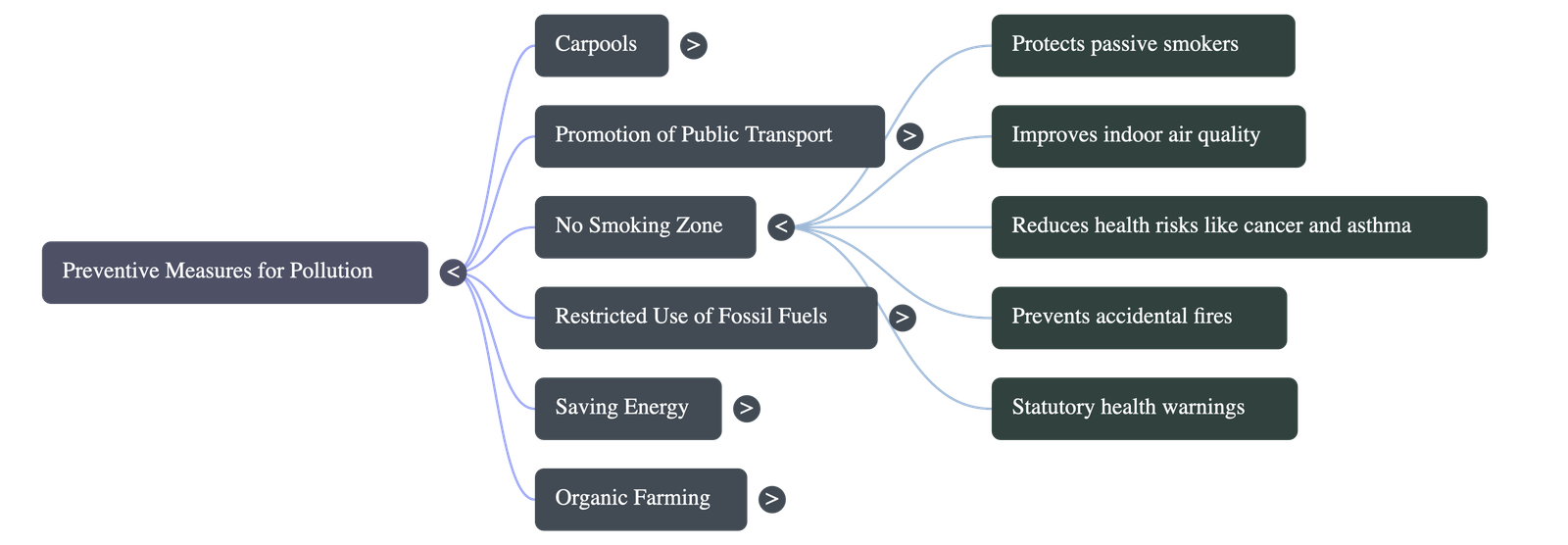
With smoking being a leading preventable cause of death, prohibiting it in public places protects non-smokers from the dangers of involuntary exposure.
- Protects Passive Smokers: Eliminates the risk of non-smokers involuntarily inhaling highly toxic second-hand tobacco smoke in public areas.
- Enhances Air Quality: Areas enforcing smoking bans consistently exhibit significantly better indoor air quality.
- Reduces Healthcare Burden: Lowers the incidence of smoking-induced health issues like lung cancer, asthma, and cardiovascular diseases, saving medical costs.
- Positive Social Influence: Reduces the visibility and normalization of smoking, discouraging youth from adopting the habit.
- Fire Prevention: Decreases the likelihood of accidental fires starting from lit cigarettes in places with highly flammable materials.
5. Restricted Use of Fossil Fuels
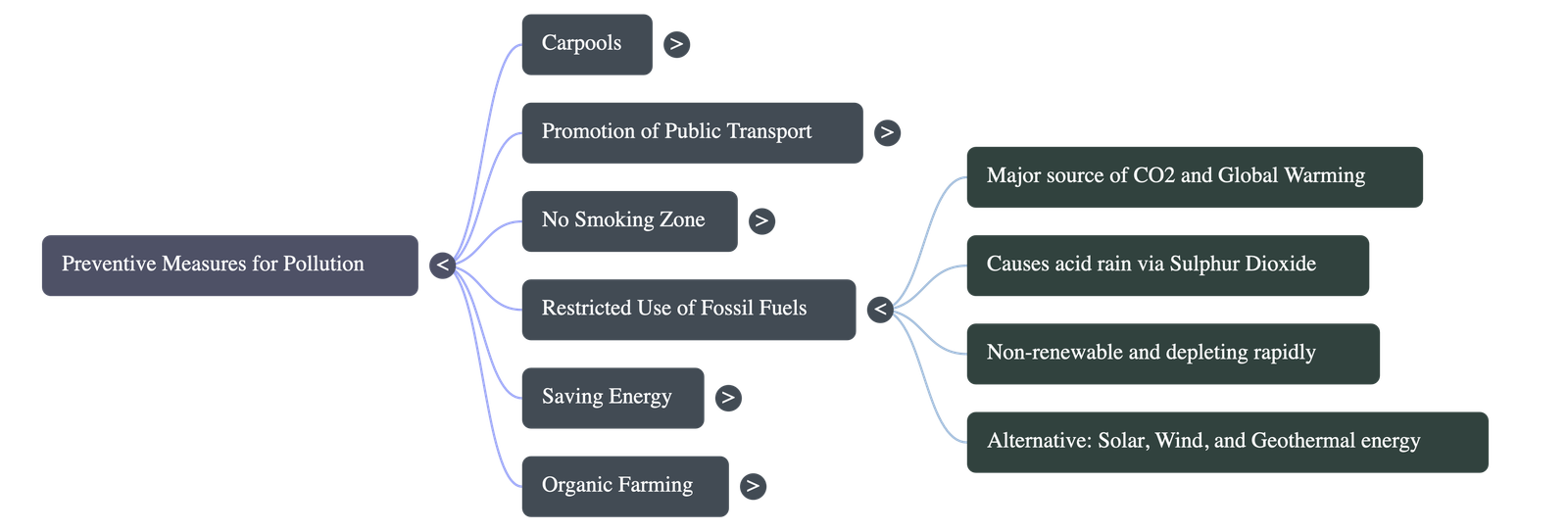
Fossil fuels (coal, crude oil, natural gas) provide most commercial energy but are highly detrimental and rapidly running out.
- Severe Environmental Hazards: Burning these fuels is the primary source of carbon dioxide (causing global warming) and sulphur dioxide (causing acid rain which damages monuments and crops).
- Alarming Depletion Rates: Being used 100,000 times faster than they are formed. Current reserves indicate coal may last only 200 years, and crude oil just 50 years.
- Shift to Alternatives: It is critical to reduce dependency on fossil fuels and transition to renewable, clean, and safe alternative energy sources such as solar, wind, tidal, geothermal, and biomass energy.
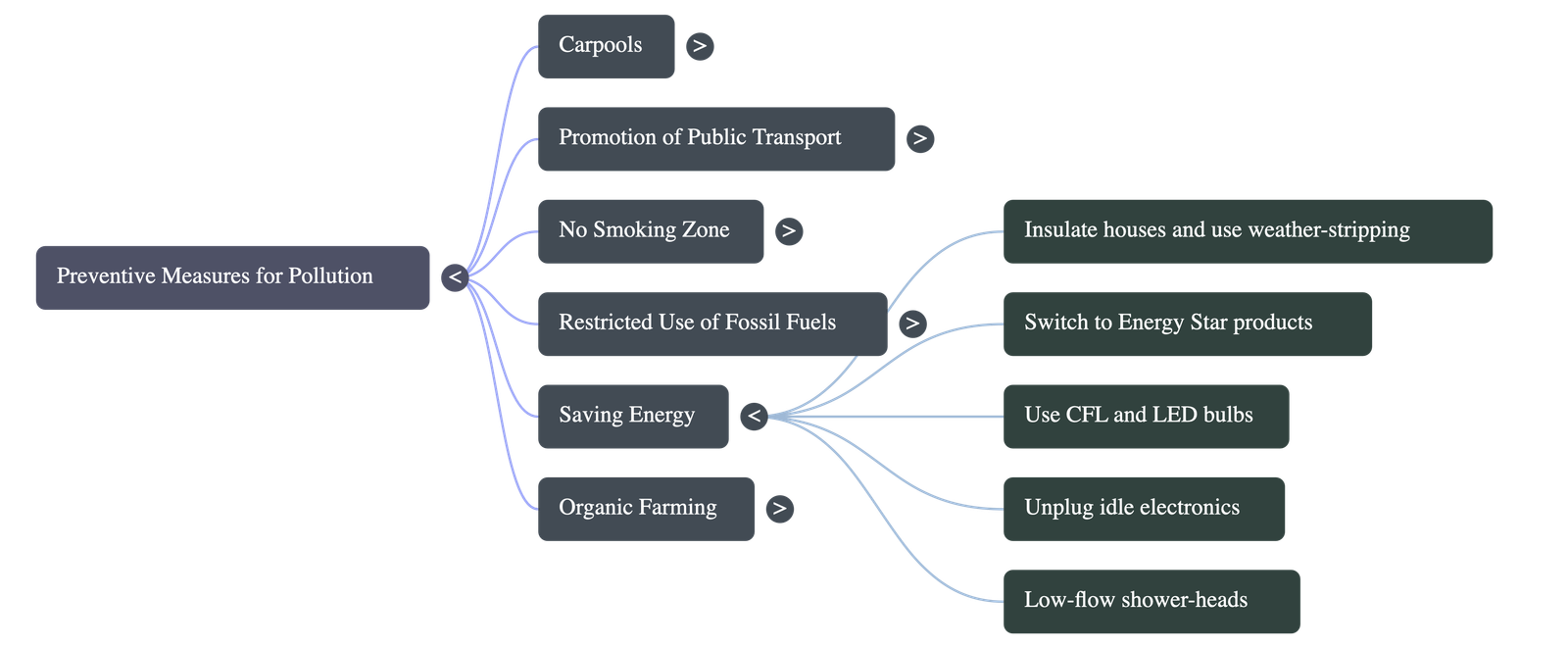
6. Strategies for Saving Energy
Individual actions at home and work play a massive role in mitigating the global energy crisis.
- Climate-Appropriate Clothing: Use extra blankets in winter and wear light cotton in summer to significantly lower reliance on energy-intensive heaters and air conditioners.
- Optimize Insulation: Keep windows and doors closed while cooling/heating, install blinds, seal leaks, and block drafts with weather-strip tape.
- Energy-Efficient Appliances: Purchase equipment with an Energy Star label to reduce energy bills by up to 30% and lighting costs by 40%.
- Smart Lighting: Replace old incandescent bulbs with highly efficient CFLs and LEDs, which consume up to 75% less energy, lower greenhouse emissions, and last longer.
- Resourceful Habits: Turn off equipment and lights when not in use. Use low-flow shower-heads to save water and the energy used to heat it. Clean HVAC filters regularly for better efficiency.
- Natural Lighting: Paint interior and exterior walls in light colors so that natural sunlight is reflected, reducing the need for artificial daytime lighting.
- Office Efficiency: Conserve massive amounts of natural resources and energy by double-siding copies, reusing paper, and preferring electronic mail over physical prints.
7. Adoption of Organic Farming
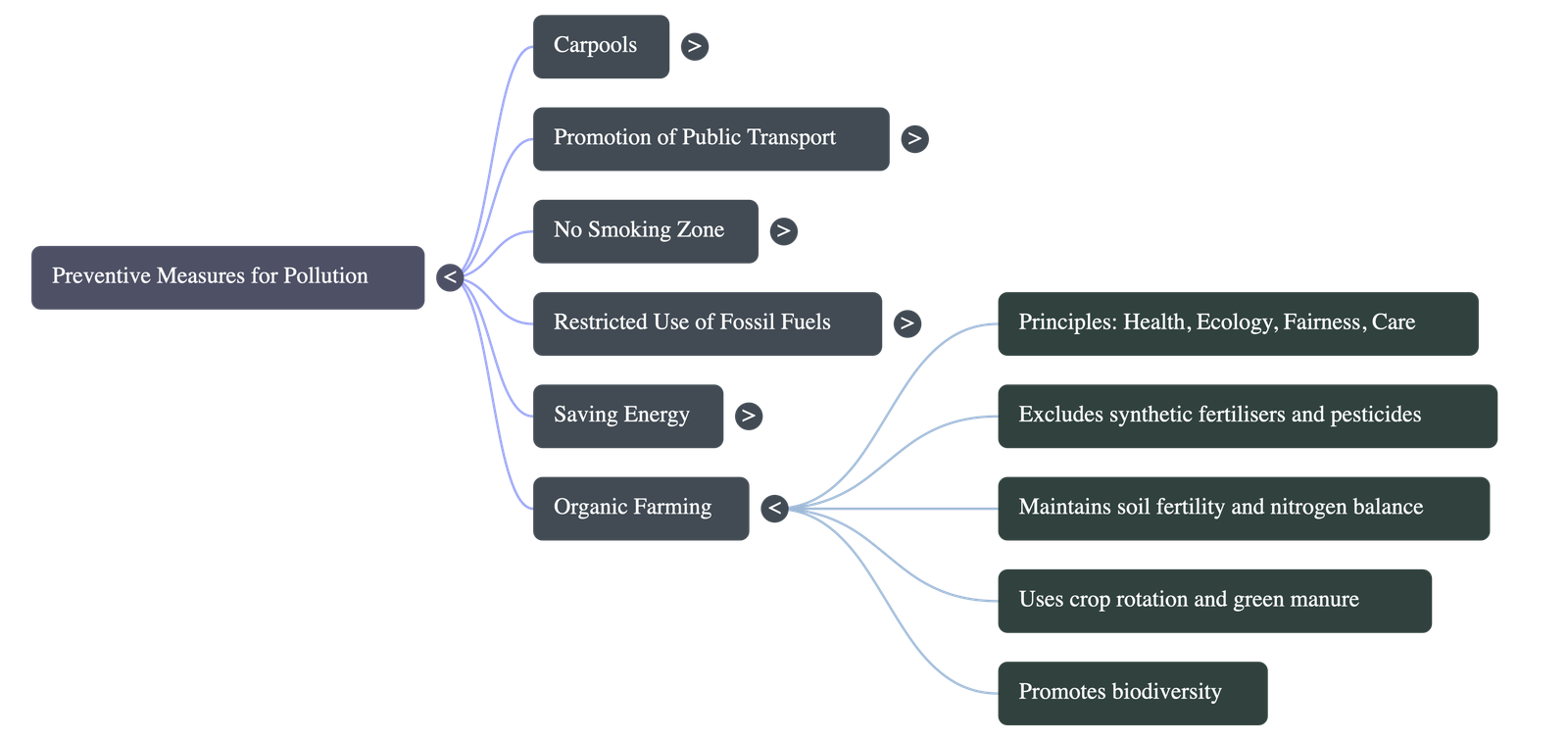
A holistic production management system aimed at cultivating crops while keeping the soil alive and healthy in an eco-friendly environment, completely excluding synthetic fertilizers, pesticides, and hormones.
The Four Principles of Organic Farming:
- Health: Must sustain and enhance the unified health of soils, plants, animals, and humans.
- Ecology: Must be based on living ecological systems and cycles, emulating and helping to sustain them.
- Fairness: Must build relationships that ensure fairness regarding the common environment and life opportunities.
- Care: Must be managed in a precautionary and responsible manner to protect the well-being of present and future generations.
Key Characteristics & Benefits:
- Long-Term Soil Fertility: Protects the soil by optimizing organic matter levels and fostering biological activity within the earth.
- Natural Nutrient Supply: Makes indirect nutrients available to plants via the robust action of soil micro-organisms. Maintains nitrogen levels through legumes and biological nitrogen fixation.
- Non-Chemical Pest Control: Prevents weeds, diseases, and pests by relying entirely on crop rotations, natural predators, organic manuring, resistant varieties, and biological intervention.
- Vigorous Recycling: Encourages the recycling of organic residues and composted animal manures straight back into the soil to maintain fertility.
- Animal and Wildlife Welfare: Ensures attentive management of livestock, honoring their natural behavioral needs, while carefully conserving surrounding wildlife and natural habitats.
Do checkout all questions & answers of this chapter.