Quick Navigation:
| | | |
Diseases : Cause and Control
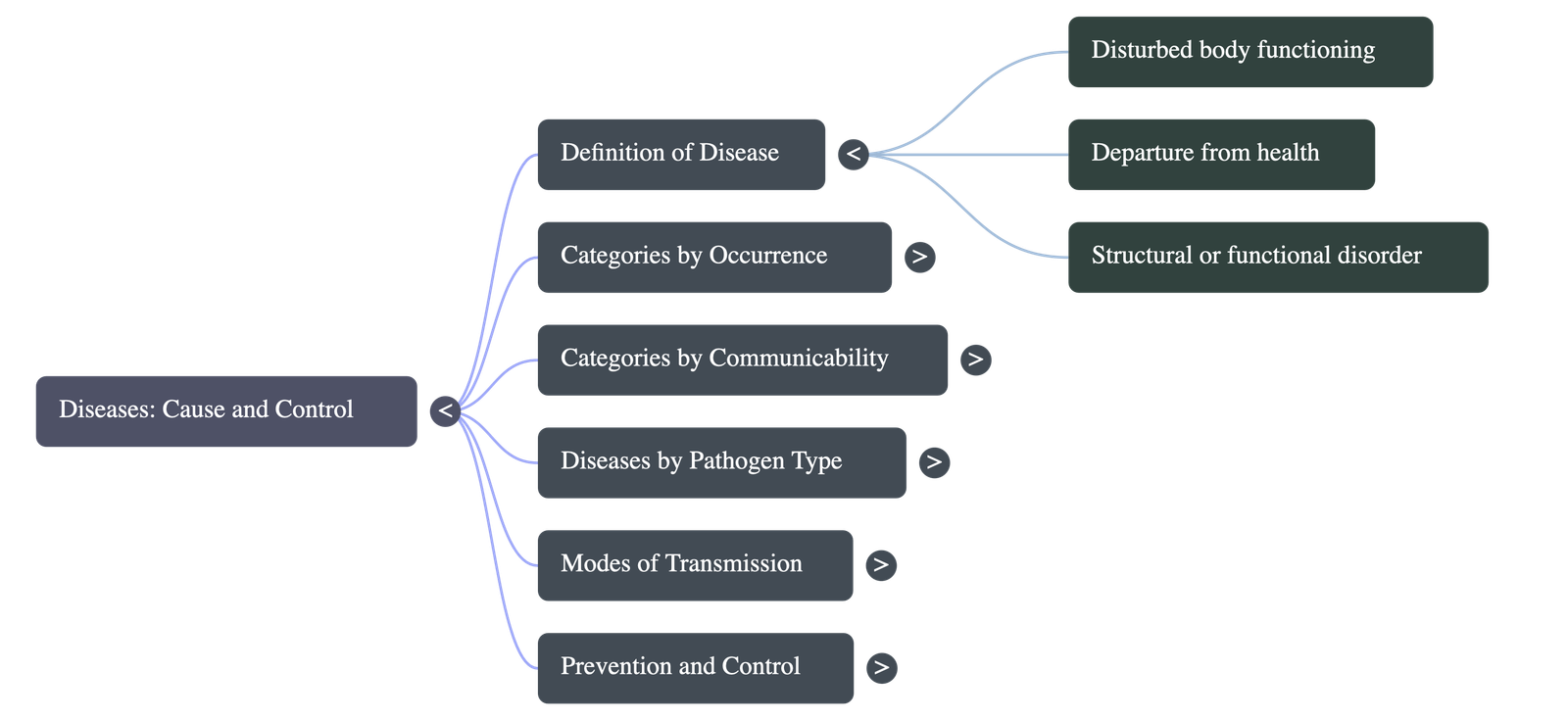
Understanding Disease
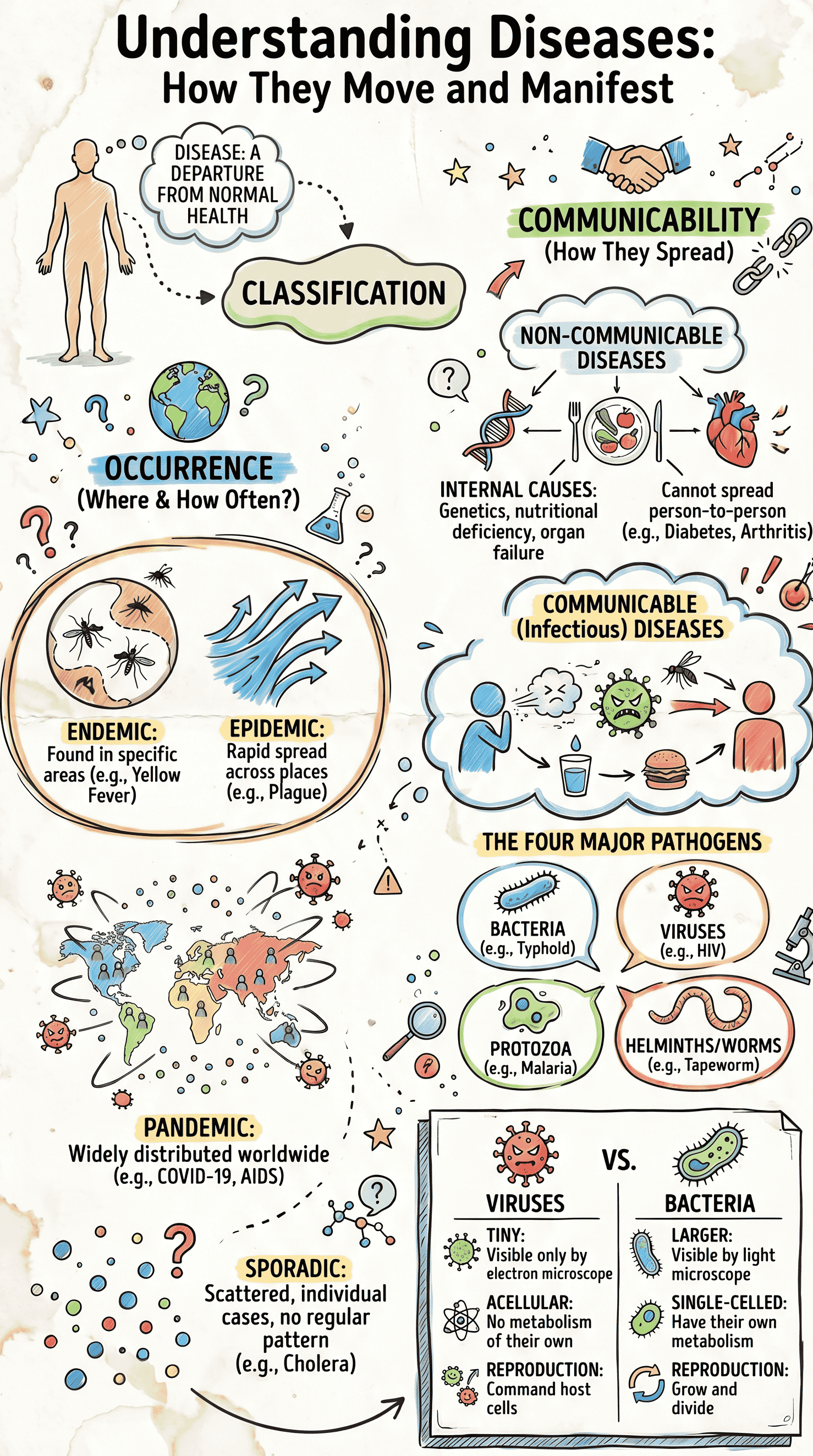
- Definition: A disease is a condition wherein the normal structural or functional working of the body is disturbed.
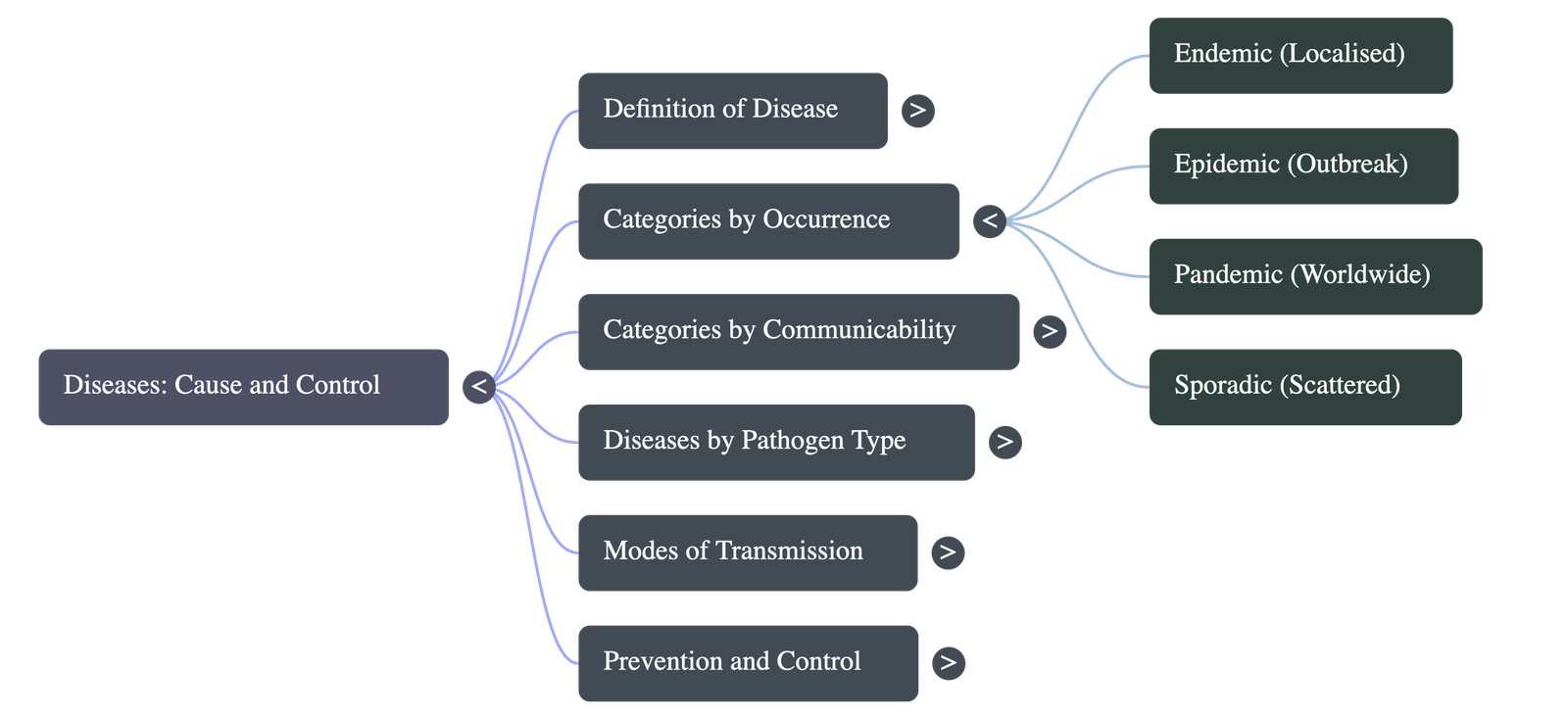
Categories of Diseases Based on Occurrence
- Endemic: Found in a specific area, attacking only a small number of people (e.g., yellow fever in certain African regions, goitre in sub-Himalayan regions).
- Epidemic: Breaks out and rapidly spreads from place to place, affecting large numbers of people simultaneously (e.g., plague).
- Pandemic: Widely distributed and spreading worldwide (e.g., AIDS, COVID-19).
- Sporadic: Scattered, individual cases occurring sporadically (e.g., malaria, cholera).
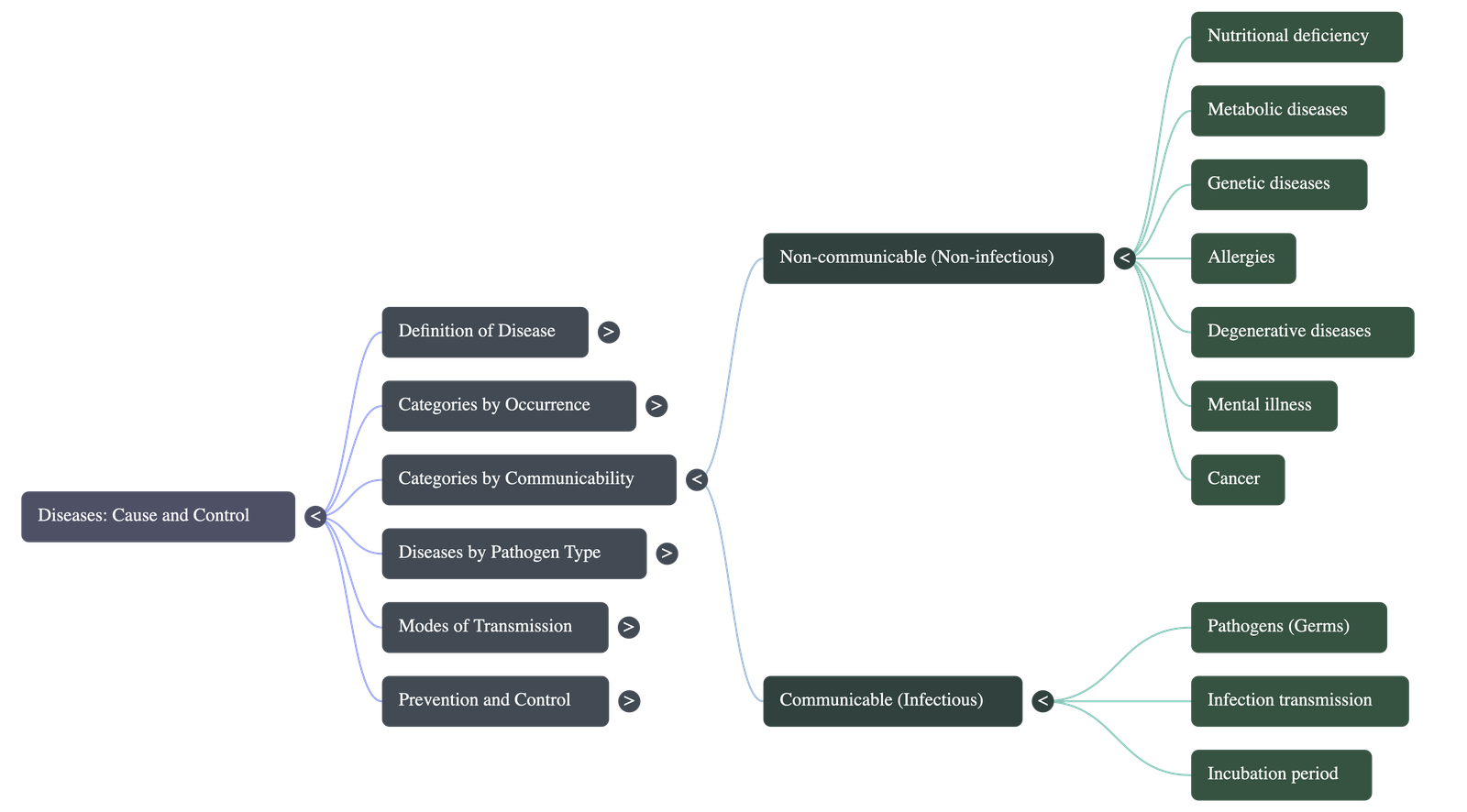
Categories Based on Communicability
- Non-communicable (Non-infectious) Diseases:
- These diseases are not caused by germs and cannot be transmitted from an infected person to a healthy one.
- Examples: Nutritional deficiencies (scurvy, goitre), Metabolic diseases (diabetes), Genetic diseases (haemophilia), Allergies (asthma), Degenerative diseases (arthritis), Mental illness, and Cancer (caused by carcinogens).
- Communicable (Infectious) Diseases:
- Caused by disease-causing organisms called pathogens (germs) and can spread from infected individuals to healthy ones.
- Incubation Period: The time interval between the entry of germs into the body and the appearance of the very first symptoms.
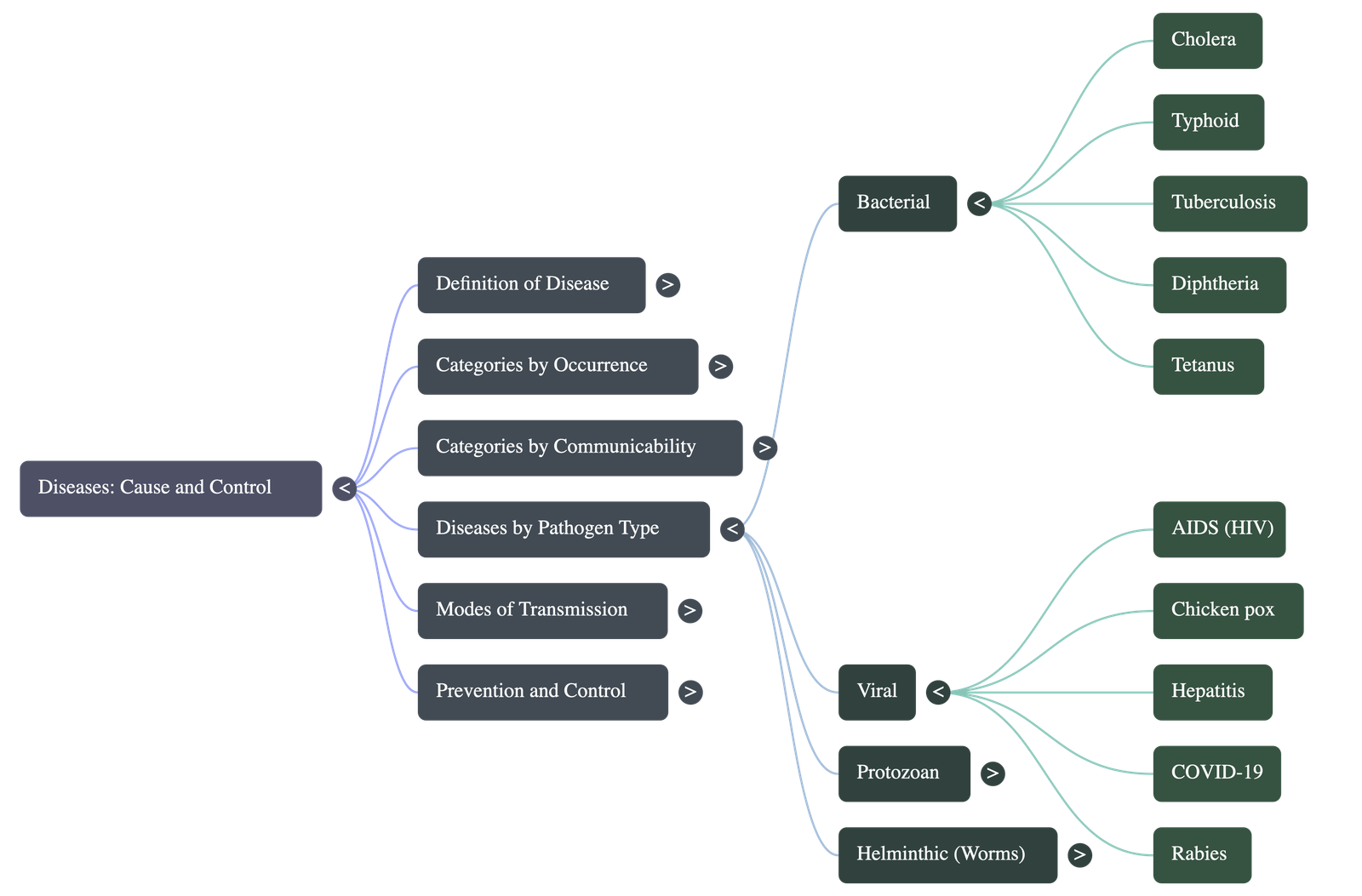
Diseases Caused by Bacteria
- Cholera: Caused by Vibrio cholerae. Attacks the intestinal tract. Spreads via contaminated food and water (faeco-oral route) and through flies. Symptoms include severe vomiting, loose motions, and dehydration. Treated with saline water and antibiotics.
- Typhoid: Caused by Salmonella typhi. Attacks the intestines. Transmitted through contaminated food, water, milk, and flies. Key symptoms are continuous afternoon fever and reddish eruptions on the chest and abdomen.
- Tuberculosis (TB): Caused by Mycobacterium tuberculosis. Primarily affects the lungs but can affect other organs. Spreads through the air, dust, and sputum of infected individuals. Prevented by the BCG vaccination.
- Other Bacterial Diseases: Tetanus (lockjaw, enters through deep wounds), Syphilis (sexually transmitted), Diphtheria, Whooping Cough, and Pneumonia. The Triple Vaccine (DPT) protects infants against Diphtheria, Whooping cough, and Tetanus.
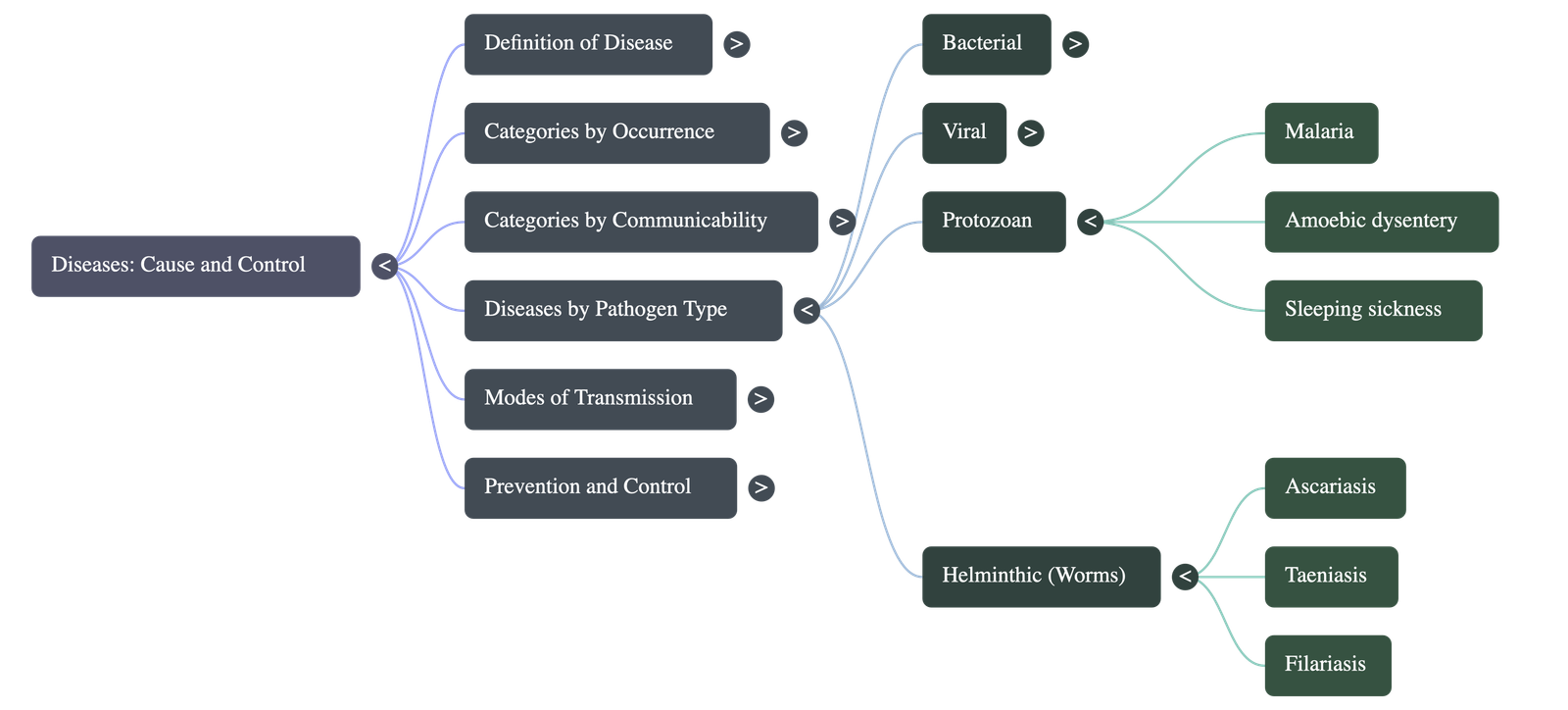
Diseases Caused by Protozoa
- Malaria: Caused by Plasmodium. Transmitted by the bite of an infected female Anopheles mosquito (vector). The parasite multiplies in the liver and red blood cells, causing recurring chills and high fever.
- Amoebic Dysentery (Amoebiasis): Caused by Entamoeba histolytica. It destroys the lining of the large intestine, resulting in severe diarrhoea with mucus and blood. Infection occurs via contaminated food and water.
- Sleeping Sickness: Caused by Trypanosoma species. Transmitted by the Tsetse fly. Leads to severe neurological issues, confusion, poor coordination, and trouble sleeping.
Diseases Caused by Parasitic Worms
- Ascariasis: Caused by the common roundworm (Ascaris) residing in the intestines. Infection usually occurs by eating unwashed raw vegetables or having microscopic eggs on unwashed hands.
- Taeniasis: Caused by tapeworms (Taenia). Spreads when humans eat infected, imperfectly cooked pork or beef containing tapeworm eggs/larvae.
- Filariasis (Elephantiasis): Caused by the filarial worm (Wuchereria bancrofti). Transmitted by the bite of the Culex mosquito. The worms lodge in the lymphatic system, causing severe swelling of limbs that resembles elephant legs.
Viral Diseases
- Nature of Viruses: Extremely small agents made of nucleic acids (RNA/DNA) and proteins. They are considered a connecting link between living and non-living things because they cannot respire or multiply outside a host, but they actively multiply and command host cells once inside. Highly specific to their hosts.
- AIDS (Acquired Immuno Deficiency Syndrome): Caused by HIV (Human Immunodeficiency Virus). It attacks and weakens the immune system, making the body susceptible to minor infections and cancers.
- Transmission: Sexual intercourse, contaminated blood transfusions, mother to child during birth, and sharing unsterilised injection needles.
- Not Transmitted By: Casual contact like shaking hands, eating together, or sharing toilets.
- Chicken Pox: Caused by the Varicella zoster virus. A highly contagious disease causing highly irritating watery blisters and scabs. Spreads via close contact.
- Hepatitis: Viral inflammation of the liver caused by different strains (A, B, C, D, E). Hepatitis A and E spread via contaminated food and water, while Hepatitis B, C, and D typically spread via contaminated syringes and blood transfusions. A major symptom is jaundice (deep yellow urine, yellow skin).
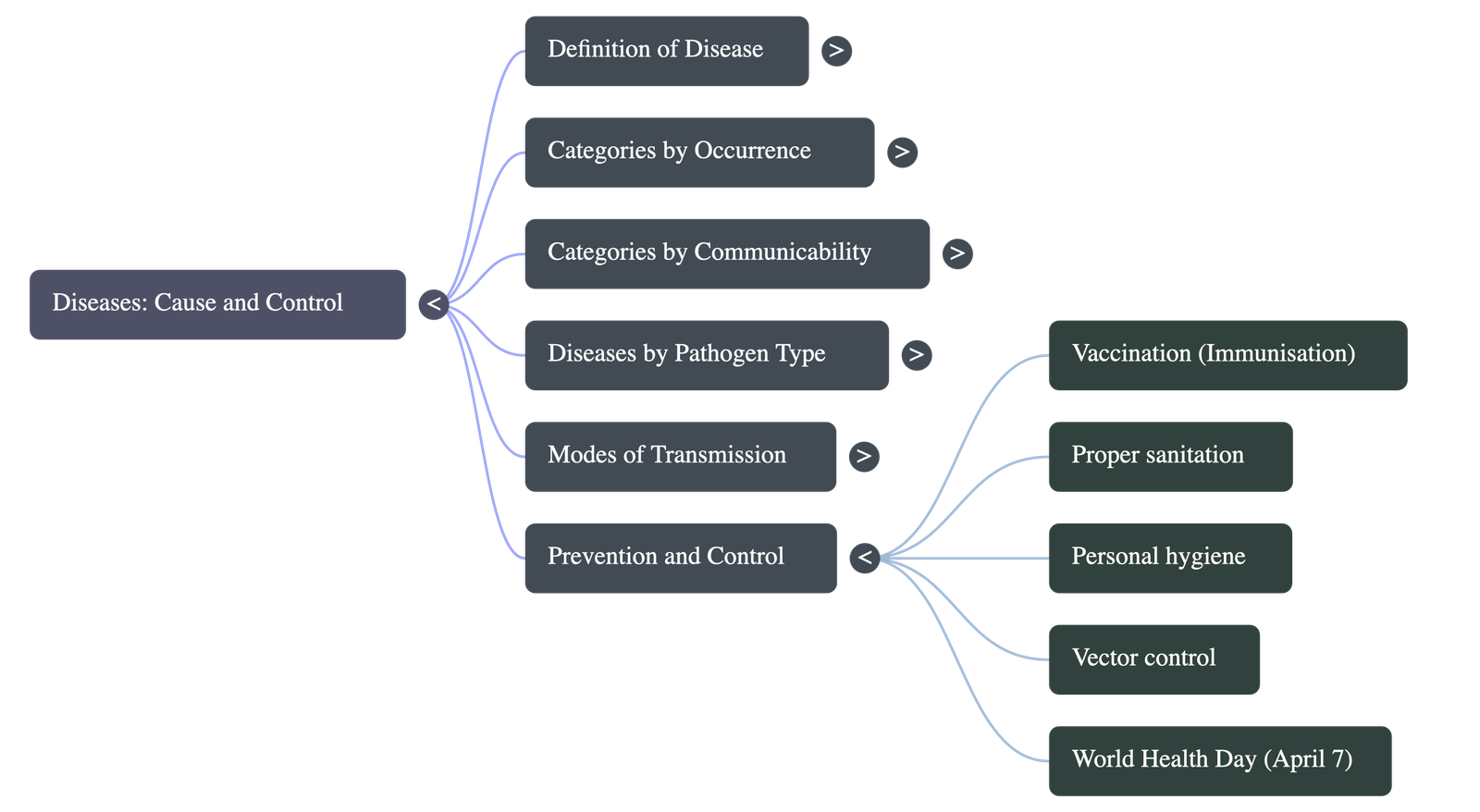
- COVID-19: Caused by Severe Acute Respiratory Syndrome Corona Virus 2 (SARS-CoV-2). Airborne transmission via microscopic viral particles (virions) affecting the respiratory route. Preventative measures include masks, hand hygiene, isolation/quarantine, avoiding crowds, and vaccination.
Do checkout all questions & answers of this chapter.
Quick Navigation:
| | | |
1 / 1
Quick Navigation:
| | | |