Quick Navigation:
| | | |
Health: The Ultimate Treasure
1. Meaning of True Health
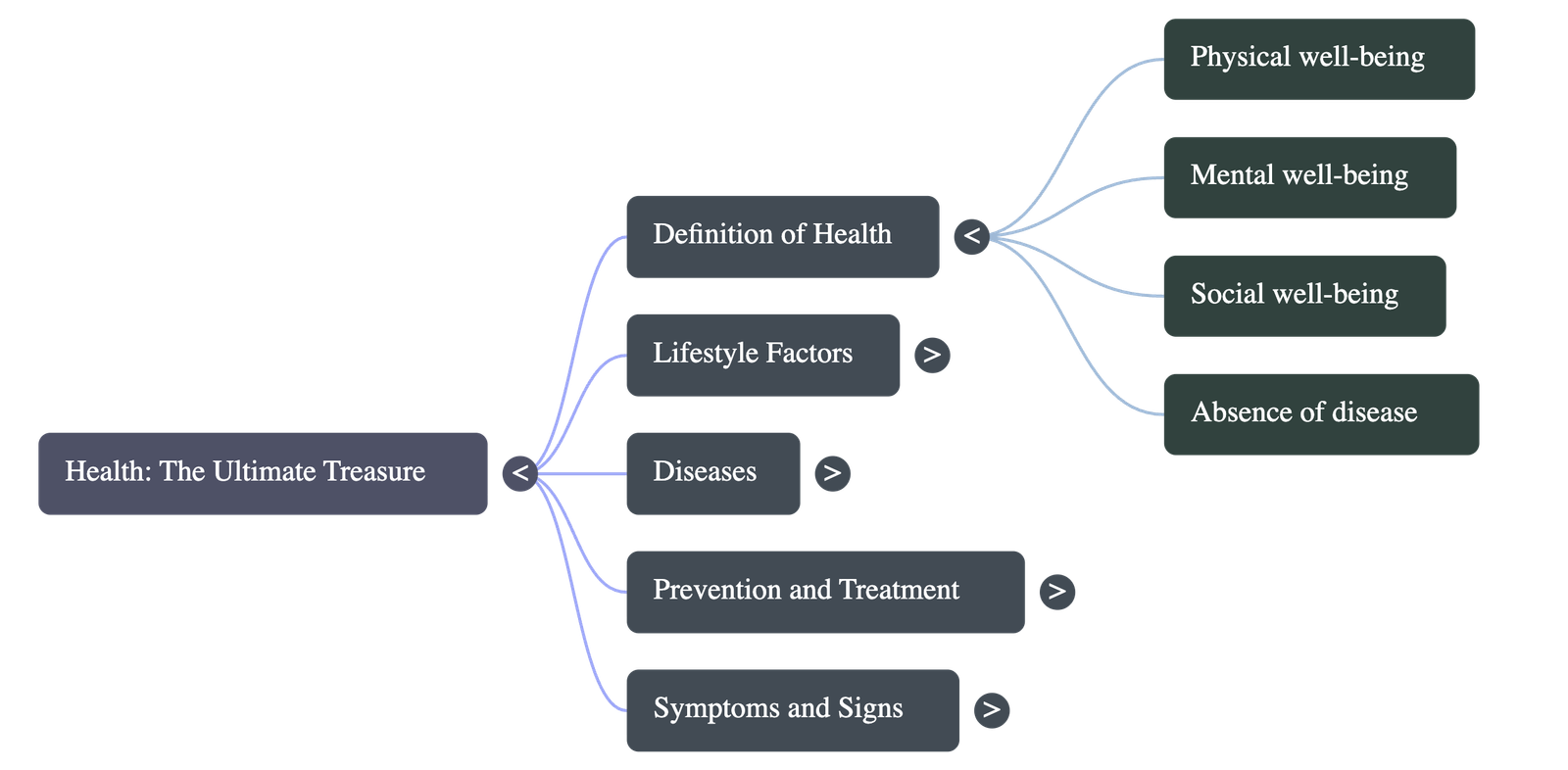
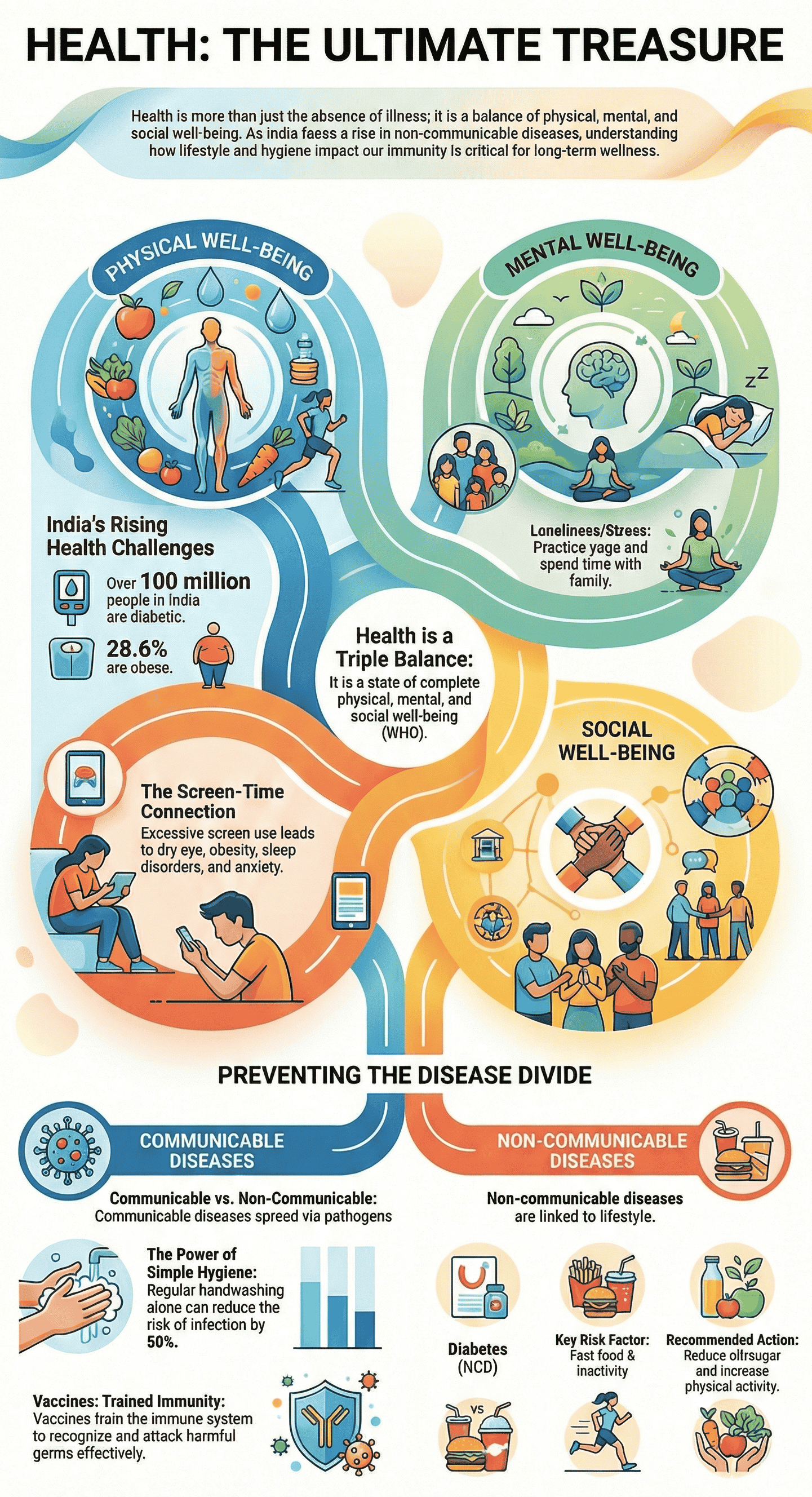
- ✦ World Health Organization (WHO) Definition: Health is not merely the absence of disease, but a state of complete physical, mental, and social well-being.
- ✦ Holistic Perspective: A healthy individual can perform tasks efficiently, cope with difficult situations, and maintain positive relationships with family and peers.
- ✦ Ayurvedic Principles: True health requires a balance of body, mind, and surroundings. This is achieved by following a daily routine (dinacharya), a seasonal routine (ritucharya), and consuming foods suited to one's body constitution (prakriti).
2. Strategies for Staying Healthy
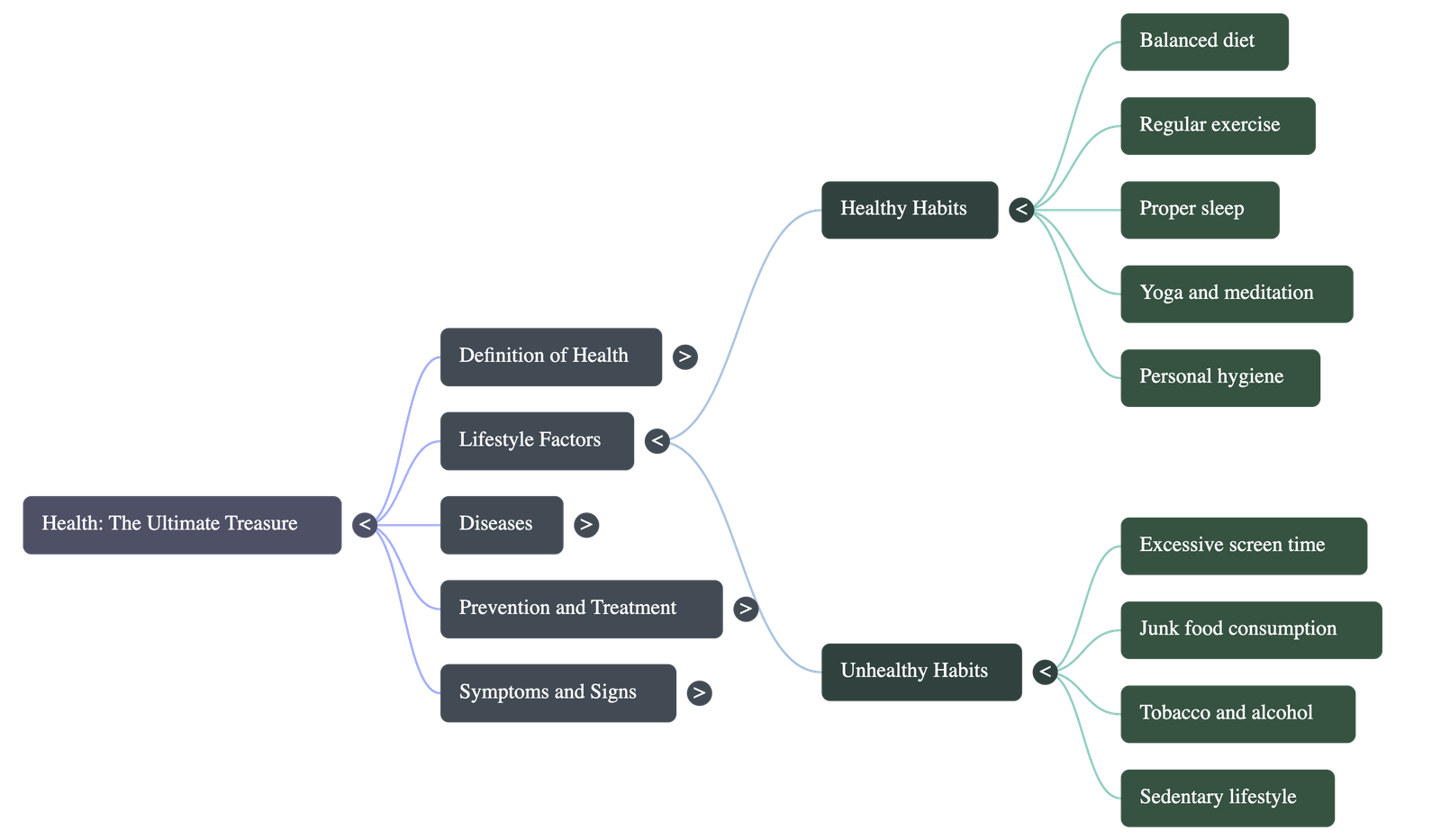
- ✔ Healthy Lifestyle Choices:
- Consume a balanced diet rich in whole grains, fruits, and vegetables, while avoiding sugary, fatty, and processed junk food.
- Engage in regular physical activity such as walking, running, cycling, or outdoor sports.
- Get adequate rest and sleep to allow the body and mind to recover.
- Limit digital screen time and spend more time in nature.
- Say absolutely no to harmful and addictive substances like tobacco and alcohol.
- Practice yoga, meditation, and breathing exercises (pranayama) for mental peace.
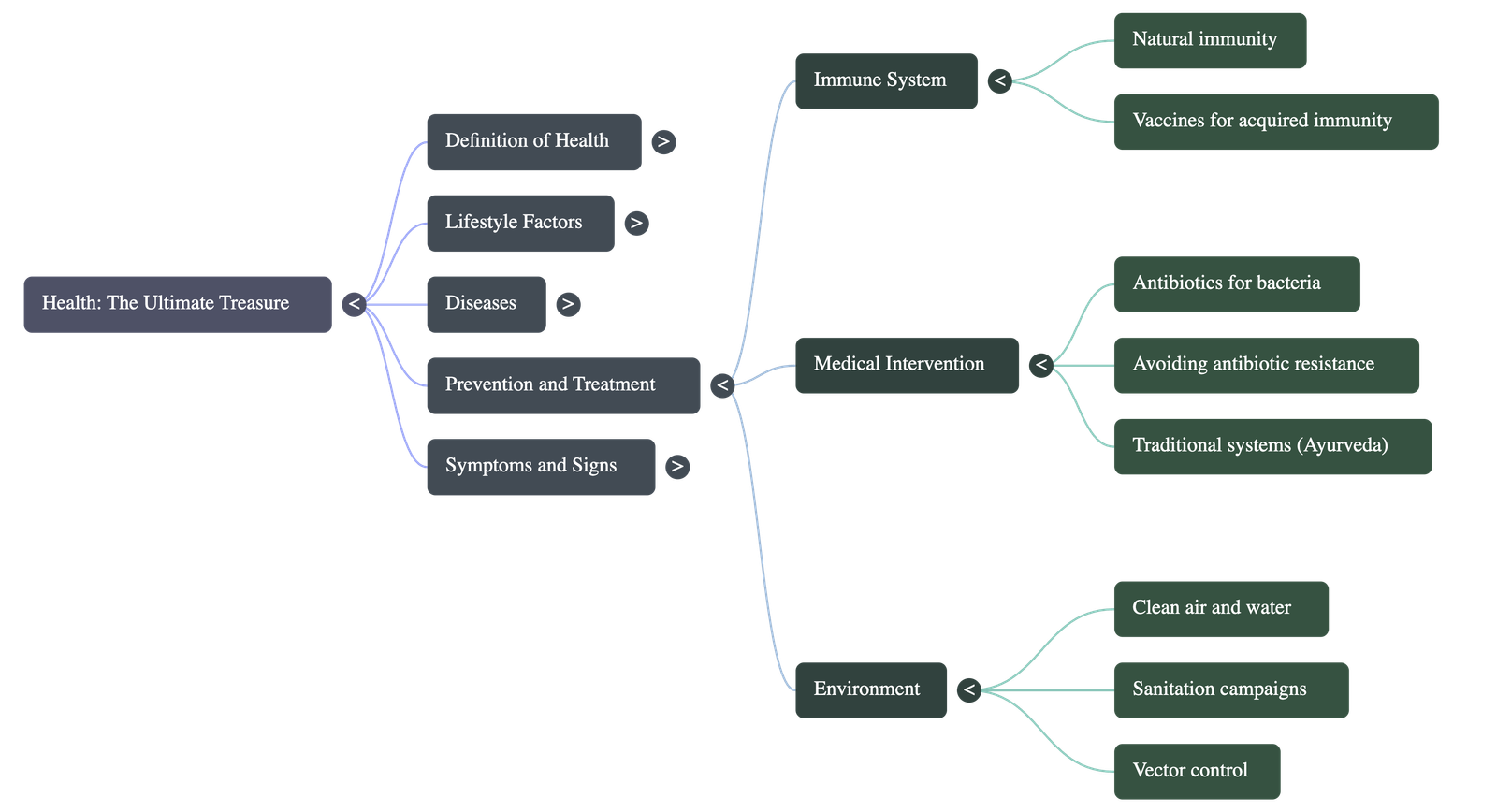
- ✔ Environmental Hygiene: Keep surroundings clean. Unhygienic areas breed disease vectors like mosquitoes and flies. Be aware of air pollution (monitored by the Air Quality Index), which can cause respiratory issues like asthma.
- ✔ Social Health: Foster emotional well-being by spending quality time with family and friends, communicating openly, and sharing laughter.
3. Identifying Illness: Symptoms vs. Signs
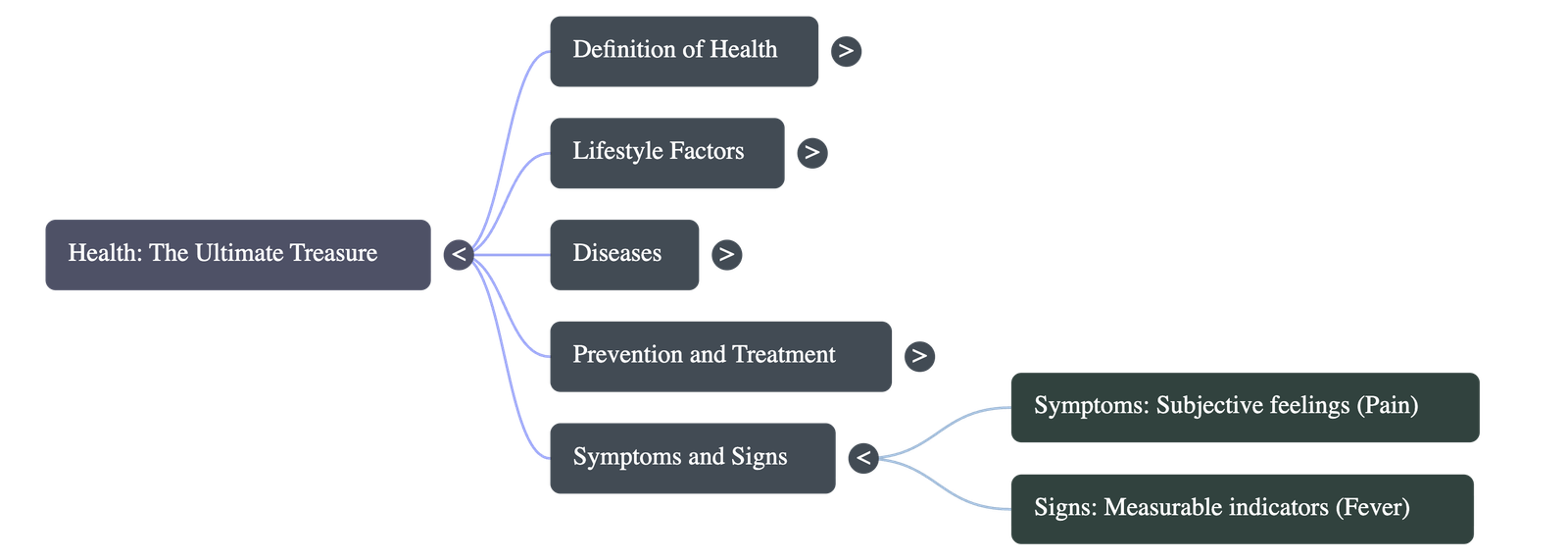
- Symptoms: These are subjective feelings experienced internally by the patient that cannot be easily seen by others (e.g., pain, tiredness, nausea, dizziness).
- Signs: These are objective, measurable indicators of illness that doctors or others can observe (e.g., high body temperature/fever, skin rashes, swelling, high blood pressure).
4. Diseases: Types and Causes
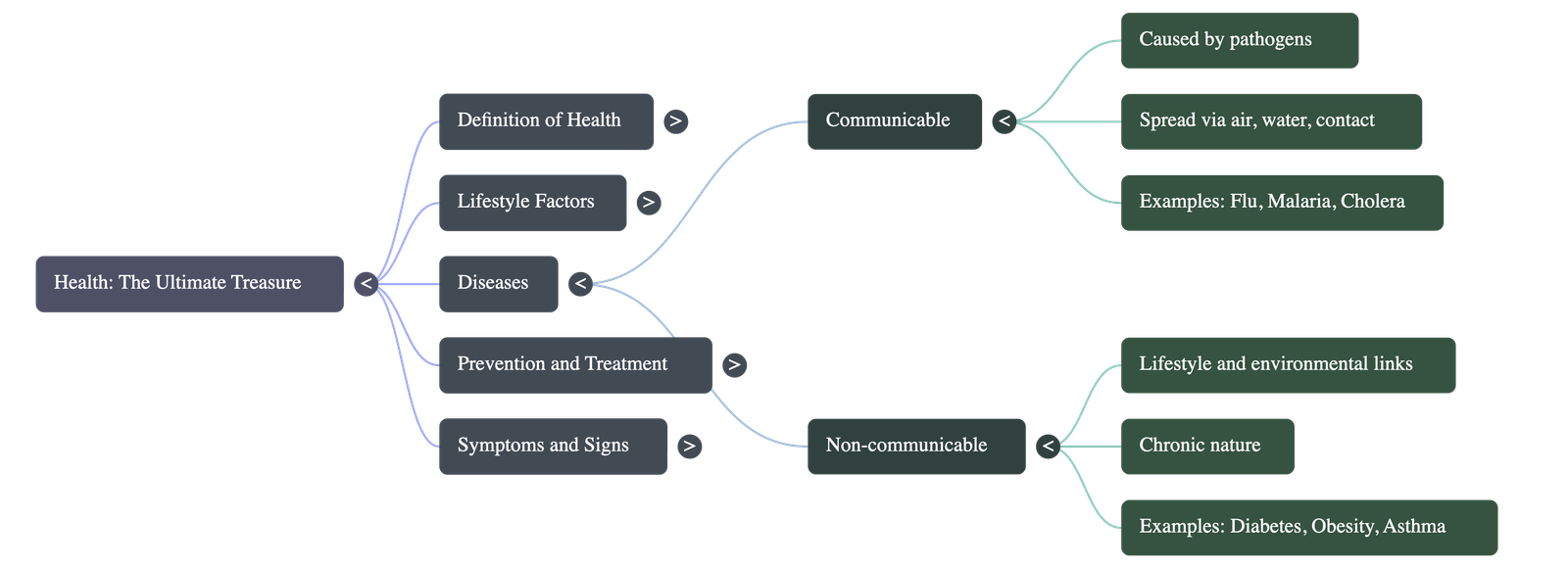
- ➔ Definition: A disease is a condition where organs or systems fail to function normally. They are often caused by pathogens (germs like bacteria, viruses, fungi, worms, and protozoa).
- ➔ Non-Communicable Diseases (NCDs): Do not spread from person to person. They are linked to poor diet, unhealthy lifestyle, and environmental factors. They are currently the leading cause of death in India.
Examples: Diabetes, cancer, heart disease, asthma, obesity, and nutrient deficiency diseases (like scurvy, anaemia, and goitre). - ➔ Communicable Diseases: Caused by pathogens and can spread from an infected person to a healthy one. They are categorized by transmission method:
- Airborne: Common cold, influenza, chickenpox, measles, tuberculosis (TB).
- Water and Food-borne: Hepatitis A, cholera, typhoid, ascariasis (intestinal worms).
- Vector-borne: Malaria and dengue (transmitted by insect vectors like mosquitoes).
- ➔ Chronic Diseases: Conditions that persist for a long period, typically lasting more than three months (e.g., diabetes, cancer).
5. Prevention, Control, and Treatment
- ✦ Immunity & Vaccines: Immunity is the body's natural defense system against germs. Vaccines provide acquired immunity by introducing harmless, dead, or weakened parts of a pathogen to train the immune system.
Note: Vaccines are preventive, not curative. The first vaccine (smallpox) was discovered by Edward Jenner. India historically used a traditional immunity practice called variolation performed by 'teekedaars'. Today, India is one of the world's largest vaccine producers. - ✦ Medical Treatment & Antibiotics: Antibiotics (like Penicillin, discovered by Alexander Fleming) are used to treat bacterial infections. They do not kill viruses or protozoa.
Danger of Antibiotic Resistance: Overuse, indiscriminate, or incorrect use of antibiotics causes bacteria to mutate and survive the medication, making common infections much harder to treat. Antibiotics must only be used as prescribed. - ✦ Traditional Medicine: Systems like Ayurveda, Siddha, and Unani use natural herbs, oils, and minerals to promote recovery and manage overall well-being.
- ✦ Everyday Preventive Measures:
- Wash hands frequently with soap and water to remove pathogens.
- Avoid sharing personal items like towels and handkerchiefs.
- Cover the mouth and nose when coughing or sneezing, and wear masks in crowds.
- Consume properly cooked food and boiled drinking water.
- Use mosquito nets and repellents, and prevent water stagnation.
- Isolate sick individuals to prevent transmission.
Do checkout all questions & answers of this chapter.
Quick Navigation:
| | | |
1 / 1
Quick Navigation:
| | | |