Quick Navigation:
| | | |
The Excretory System
9.1 Excretion
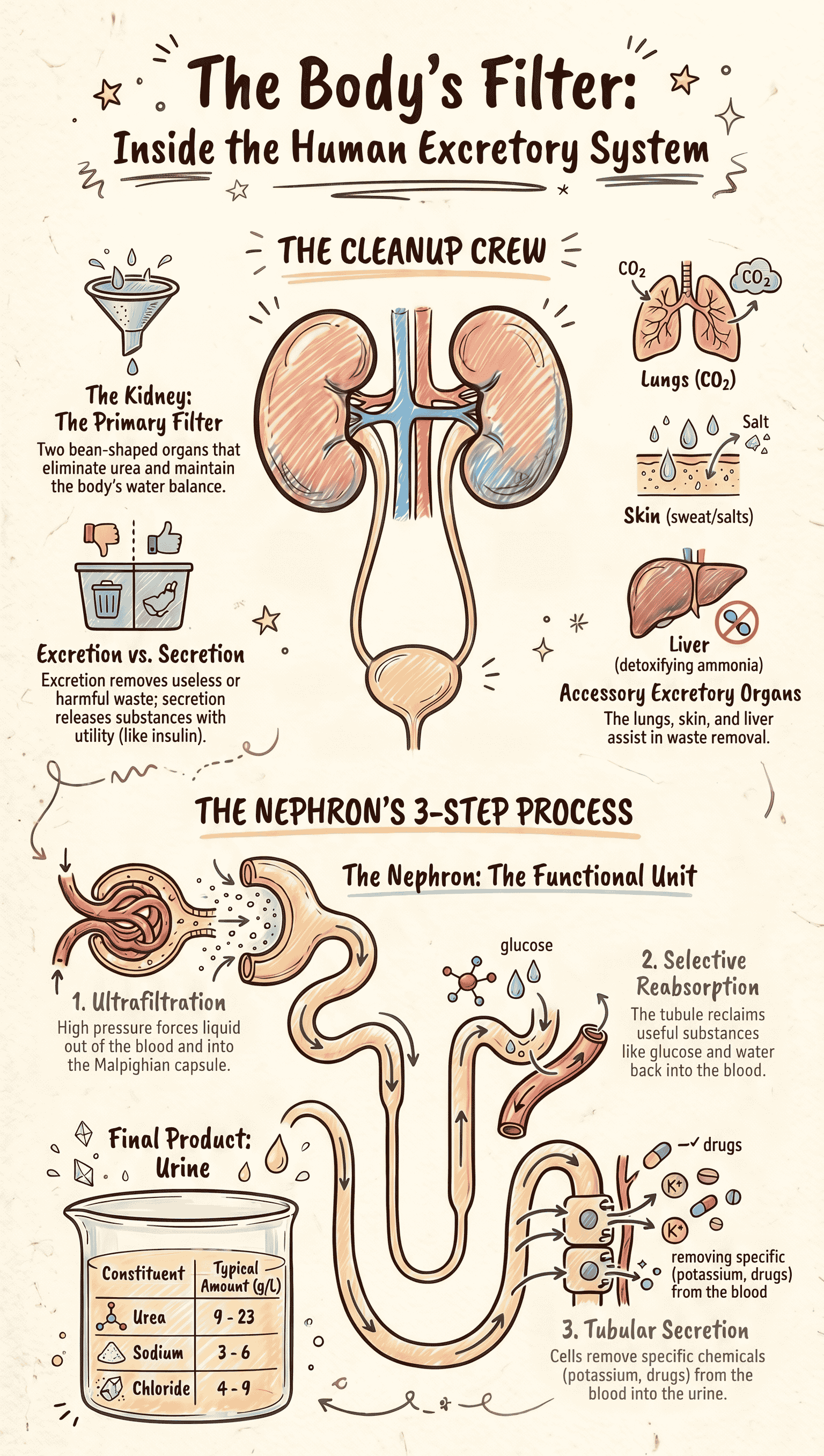
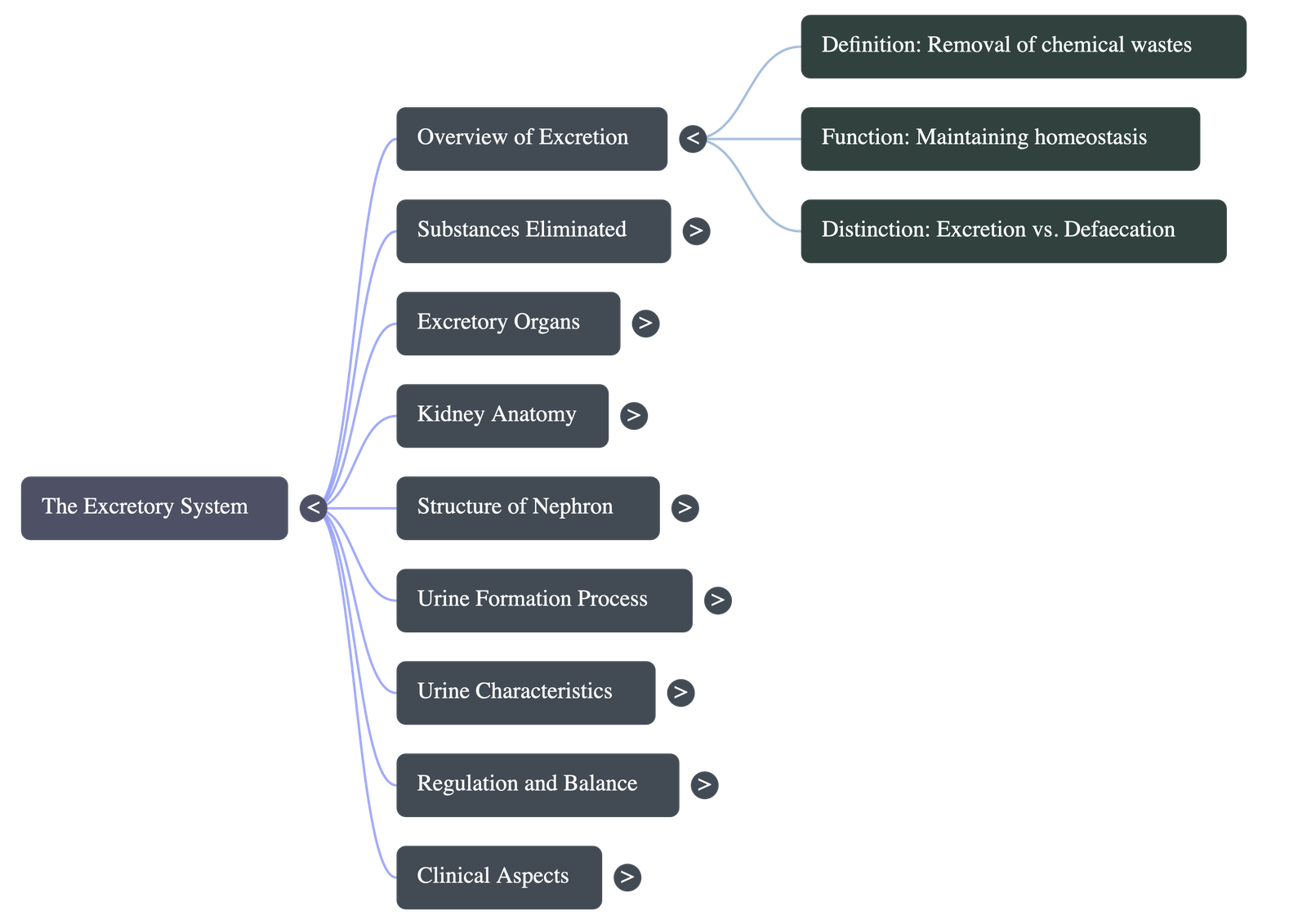
- Definition: Excretion is the process of removing chemical wastes, mainly nitrogenous wastes, from the body. It helps in maintaining the homeostatic (steady state) condition of the body.
- Excretion vs. Defaecation: Excretion is the elimination of metabolic wastes, whereas defaecation is the passing out of undigested food (faeces) from the rectum.
- Terminology: In humans, the term urinary system is more precise than the excretory system for describing the elimination of nitrogenous waste products.
9.2 Substances to be Eliminated
Several metabolic waste products must be eliminated to prevent them from becoming toxic:
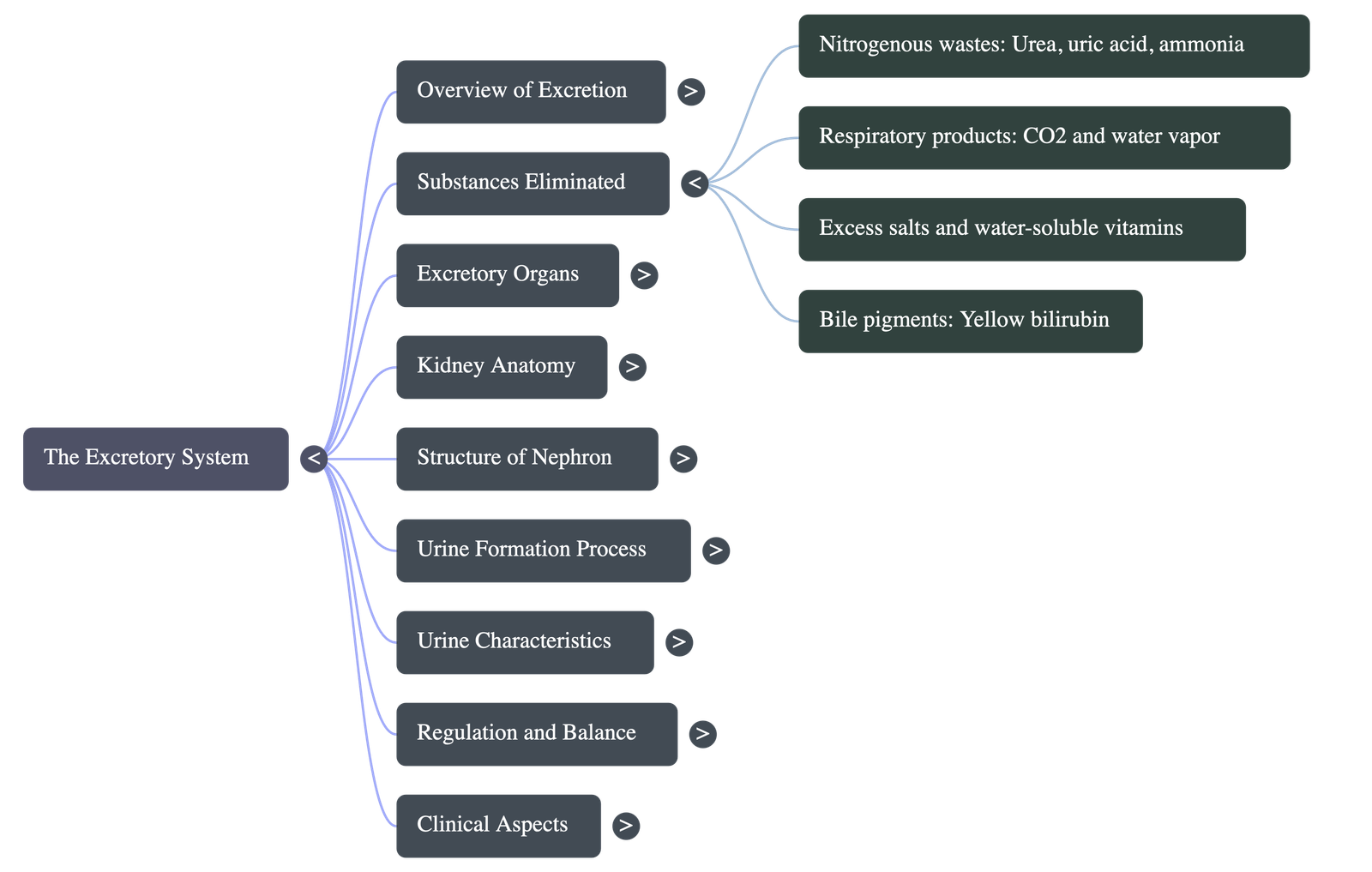
- Carbon Dioxide and Water: Produced during the oxidation of glucose. CO2 is expelled through the lungs, and extra water is released as sweat.
- Nitrogenous Wastes: Includes urea, uric acid, and ammonia. Urea is highly poisonous if allowed to accumulate in the blood and is primarily excreted by the kidneys.
- Excess Salts: Like common salt (NaCl) and water-soluble vitamins (B and C) are eliminated mainly through the kidneys.
- Excess Water: Removed largely to dissolve harmful materials and carry them out.
- Bile Pigments: Breakdown products of haemoglobin from dead red blood cells (mainly yellowish bilirubin). They give faeces their yellowish-brown colour.
9.3 The Excretory Organs
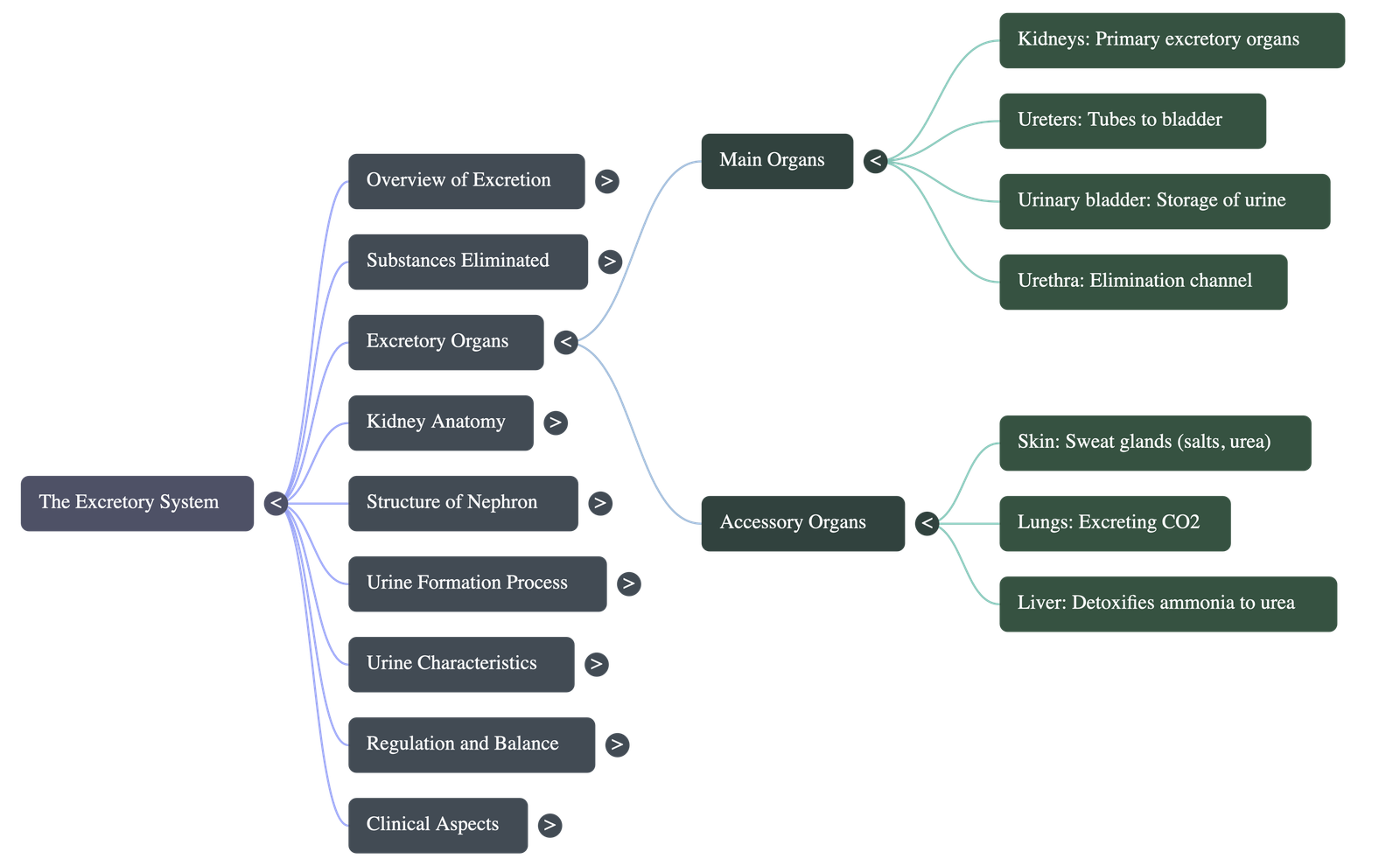
- Kidneys (Main Organ): Eliminate nitrogenous wastes (chiefly urea) from the blood as urine.
- Skin (Accessory Organ): Sweat glands excrete water, sodium chloride, urea, and lactic acid. However, sweating is primarily for body cooling.
- Lungs (Accessory Organ): Excrete carbon dioxide through expired air.
- Liver (Accessory Organ): Detoxifies highly toxic ammonia by converting it to urea, which is then excreted via urine. It also breaks down bad cholesterol, alcohol, and drugs.
9.4 Kidneys
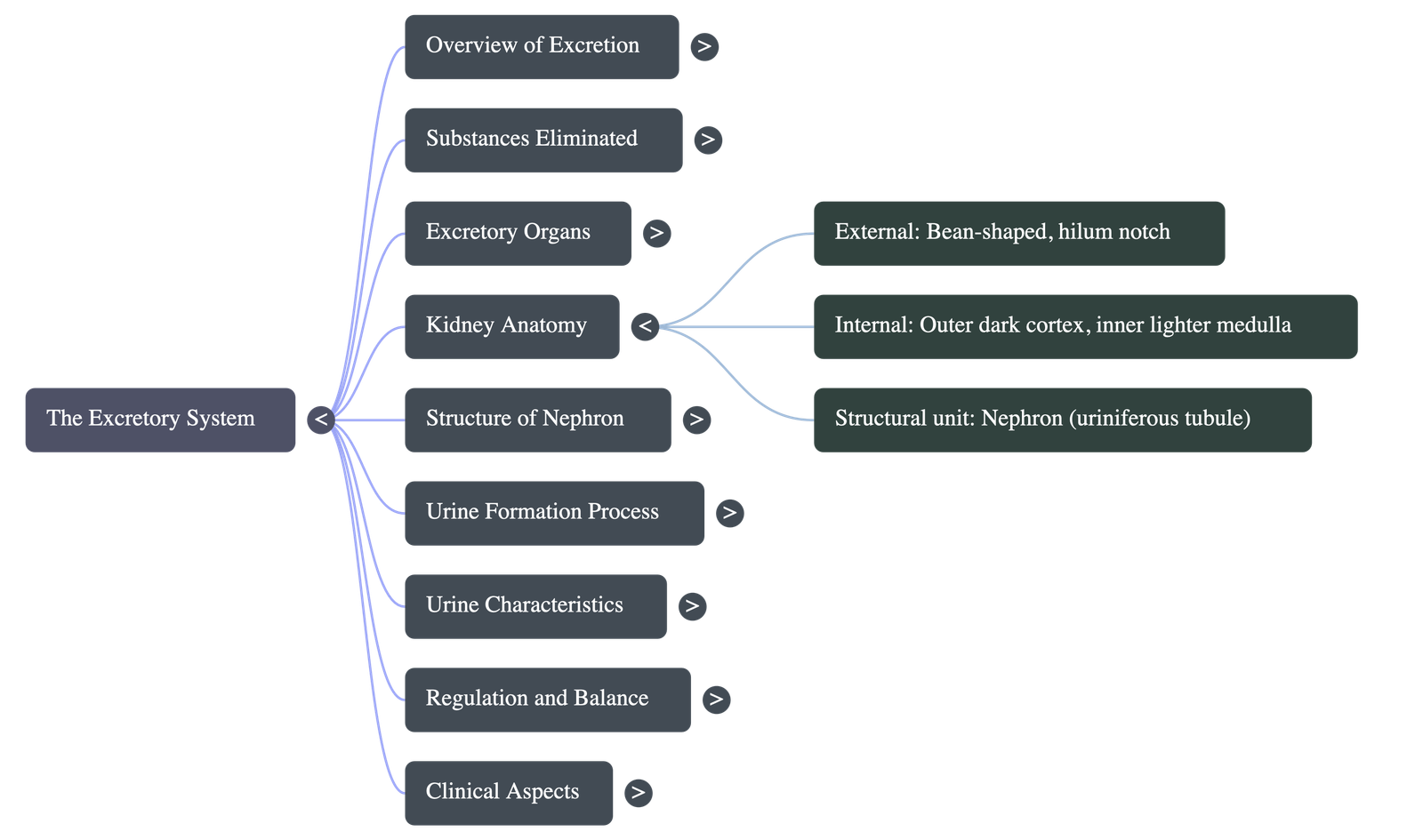
Anatomy and Location: Two bean-shaped organs (about 10 cm long and 6 cm wide) located at the back of the abdomen. The right kidney is slightly lower than the left.
- Ureter: A tube arising from the notch (hilum) connecting the kidney to the urinary bladder.
- Urinary Bladder: Stores urine temporarily.
- Urethra: The tube through which urine is passed out of the body.
- Sphincter: Circular muscle that guards the opening of the bladder, relaxing only during urination (Micturition).
9.4.1 Internal Structure of the Kidney
- Cortex: The outer, darker region.
- Medulla: The inner, lighter region composed of finely striped conical pyramids. The apex of each pyramid is called a papilla.
- Uriniferous Tubules (Nephrons): The structural and functional units of the kidney. There are approximately 2 million in both kidneys.
9.4.2 Structure of a Kidney Tubule (Nephron)
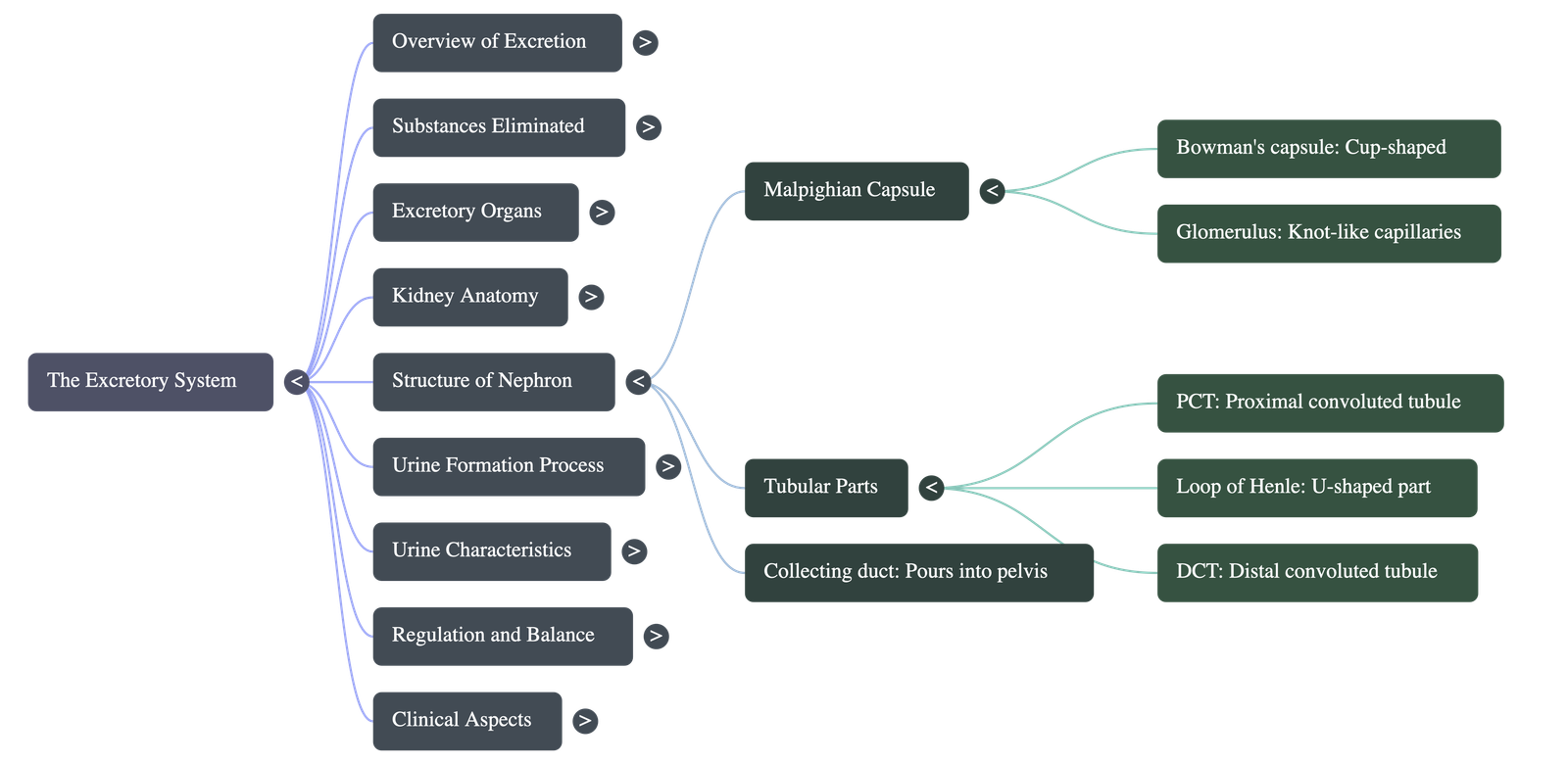
- Bowman's Capsule: A thin-walled, cup-like structure containing a knot of capillaries.
- Glomerulus: The knot of blood capillaries inside the Bowman's capsule. Together, the Bowman's capsule and Glomerulus form the Malpighian Capsule.
- Proximal Convoluted Tubule (PCT): The starting convoluted region (located in the cortex).
- Loop of Henle: The middle U-shaped part running down into the medulla and returning to the cortex.
- Distal Convoluted Tubule (DCT): The end part of the tubule that opens into a collecting duct.
- Blood Supply: The afferent arteriole (wider) brings blood to the glomerulus, and the efferent arteriole (narrower) takes it away, leading to a secondary capillary network (vasa recta) surrounding the tubule.
9.4.3 Function of the Kidney – Production of Urine
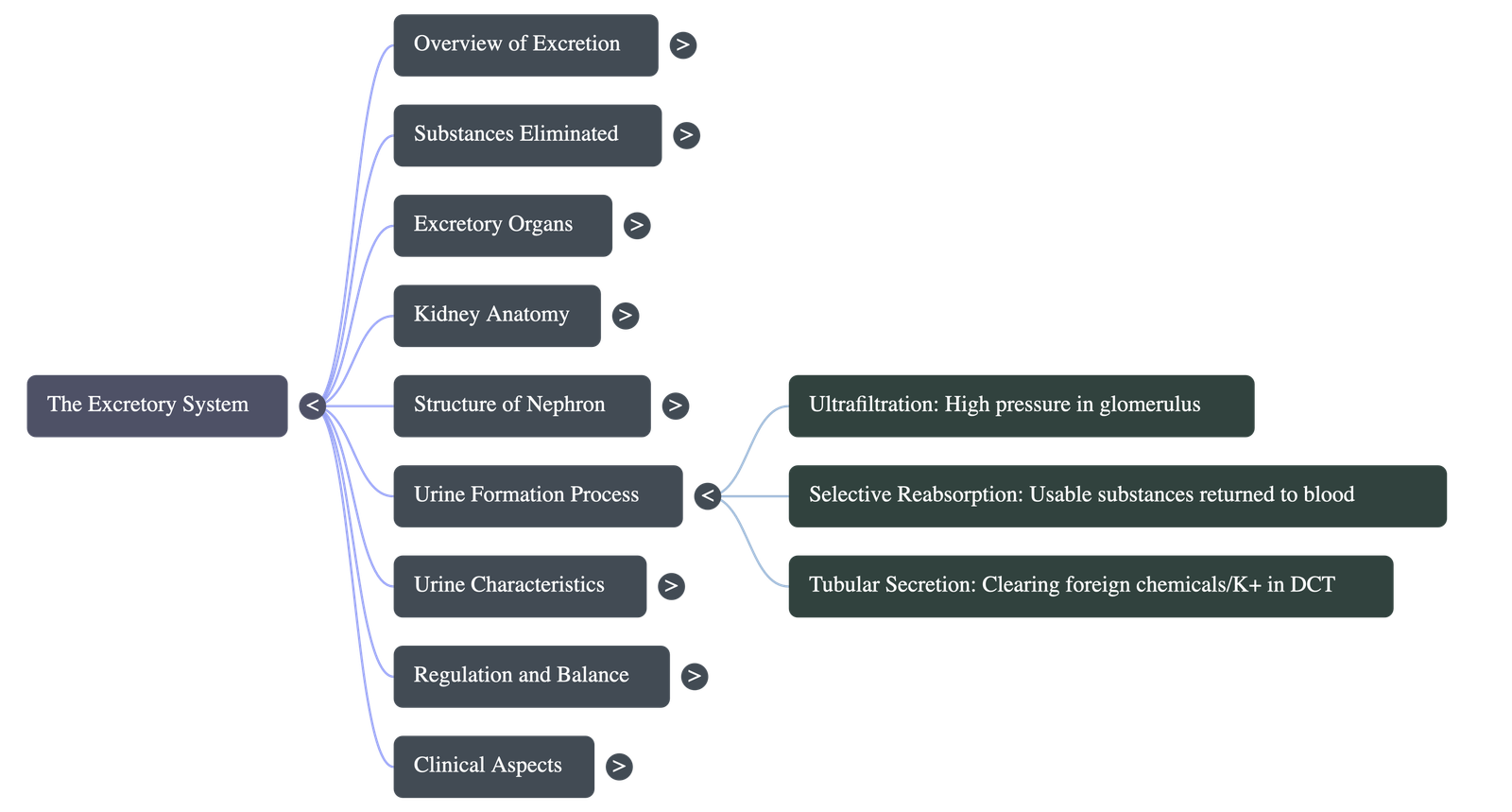
Urine is produced in three major steps:
- Ultrafiltration: Blood flows through the glomerulus under great hydrostatic pressure because the efferent arteriole is narrower than the afferent arteriole. This forces the liquid part of the blood (plasma, urea, glucose, salts) out into the Bowman's capsule to form the glomerular filtrate.
- Reabsorption (Selective Absorption): As the filtrate passes down the tubule, useful substances like glucose and much of the water are reabsorbed into the blood to ensure the normal concentration of the blood is not disturbed.
- Tubular Secretion: The tubular wall cells actively secrete substances like potassium ions and foreign chemicals (e.g., penicillin) directly into the forming urine.
Physical Properties of Urine
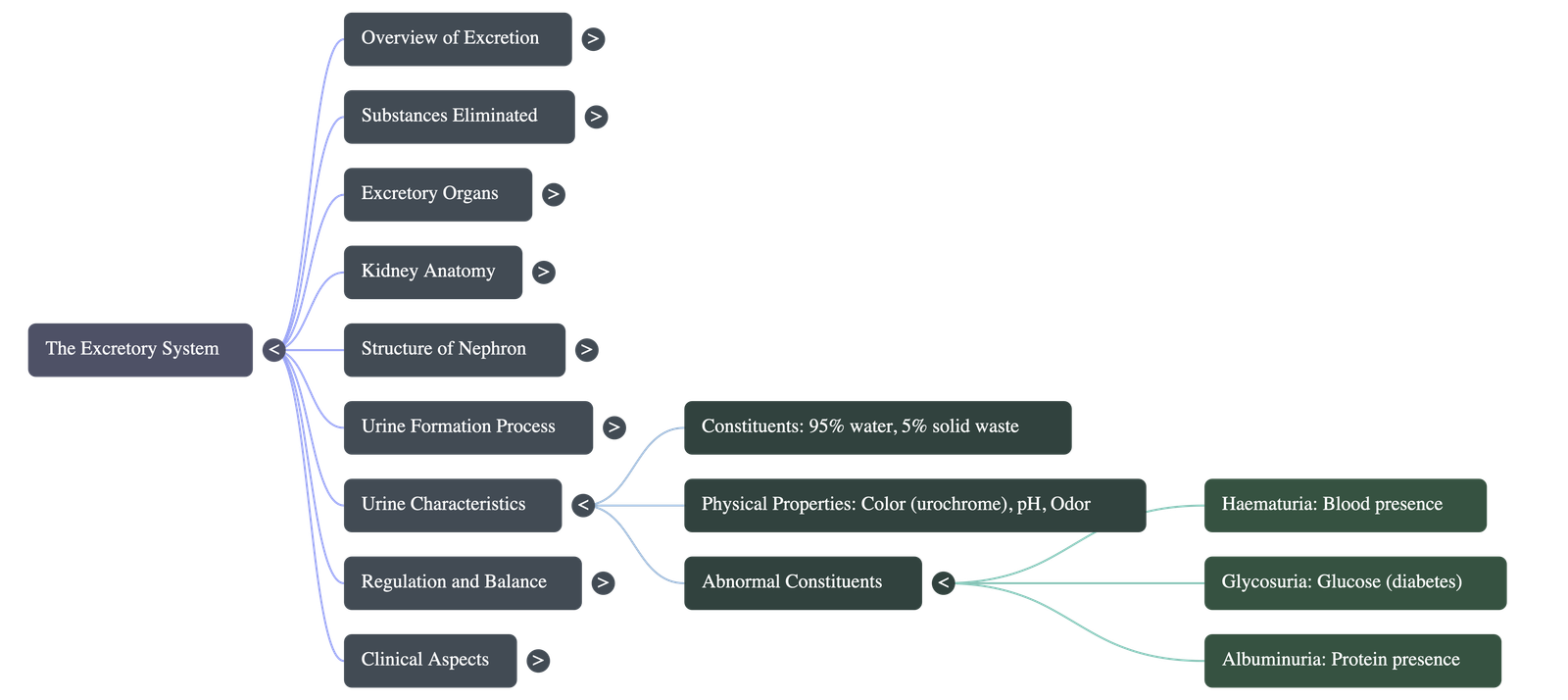
- Colour: Clear yellow due to the pigment urochrome.
- Volume: 1 to 1.5 litres per day.
- pH: 5 to 8 (usually slightly acidic, pH = 6). Protein diets make it more acidic; vegetable diets make it alkaline.
- Odour: Ammonia-like upon standing due to bacterial activity.
- Specific gravity: 1.003 to 1.035.
9.5 Constituents of Urine
- Normal Constituents: Normal human urine consists of 95% water and 5% solid wastes (urea, creatinine, uric acid, sodium, chloride, potassium, etc.).
- Abnormal Constituents:
- Blood (Haematuria): Due to urinary tract infections, kidney stones, or tumours.
- Glucose (Glycosuria): Excess glucose passing with urine due to diabetes mellitus.
- Albumin (Albuminuria): Due to high blood pressure or bacterial infection increasing the permeability of Bowman's capsule.
- Bile Pigments: Indicates anaemia, hepatitis (jaundice), or liver cirrhosis.
- Taste of Urine (Diagnostic clue): Usually saltish. Sweetish indicates diabetes mellitus (glucose present). Tasteless indicates diabetes insipidus (excessive water due to insufficient ADH).
9.6 Regulation of Urine Output
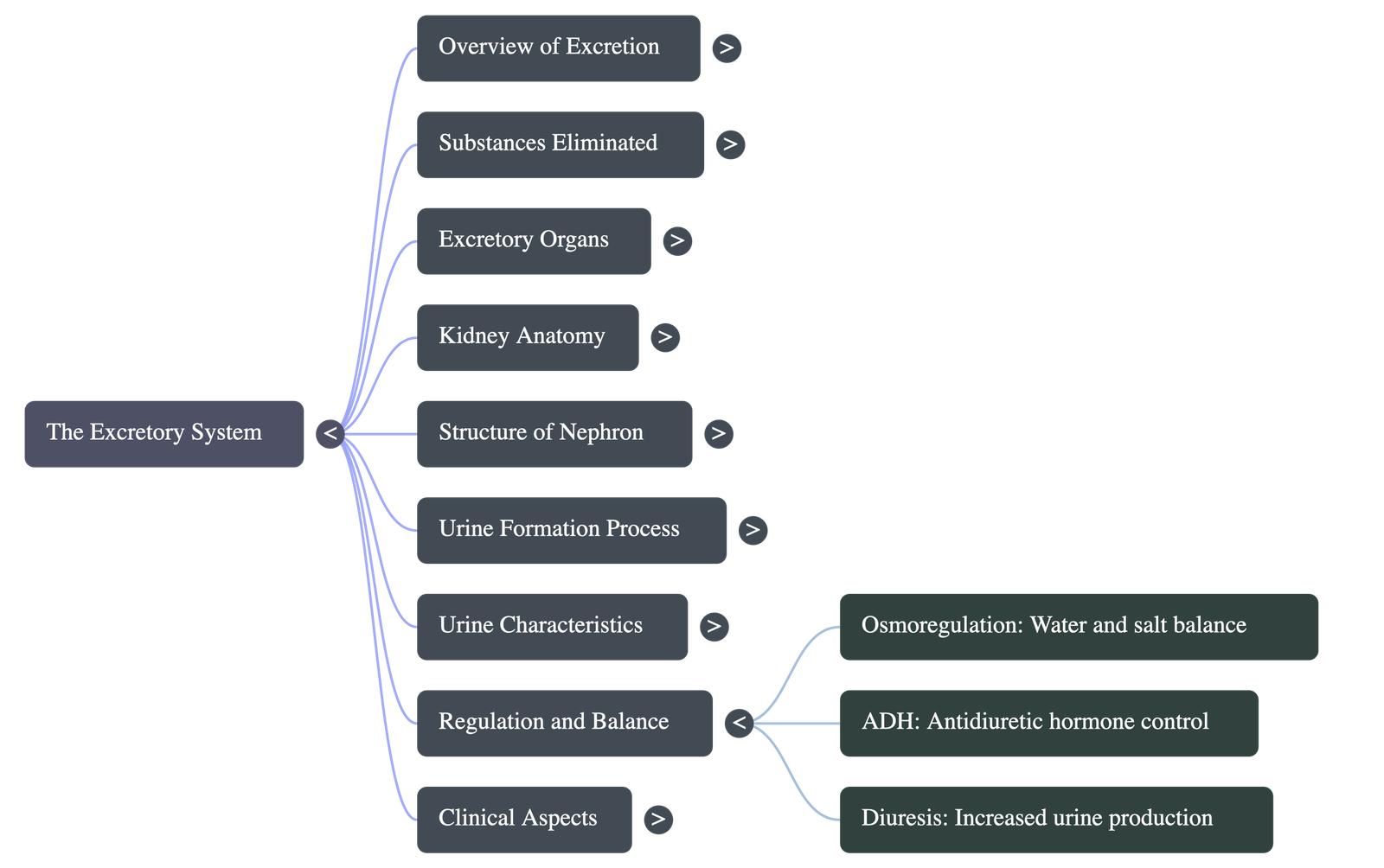
- Antidiuretic Hormone (ADH): Secreted by the posterior lobe of the pituitary gland, ADH controls the concentration of urine by promoting water reabsorption.
- Diuresis: Reduced ADH secretion leads to an increased production of urine. Substances that cause this (like tea, coffee, alcohol) are called diuretics.
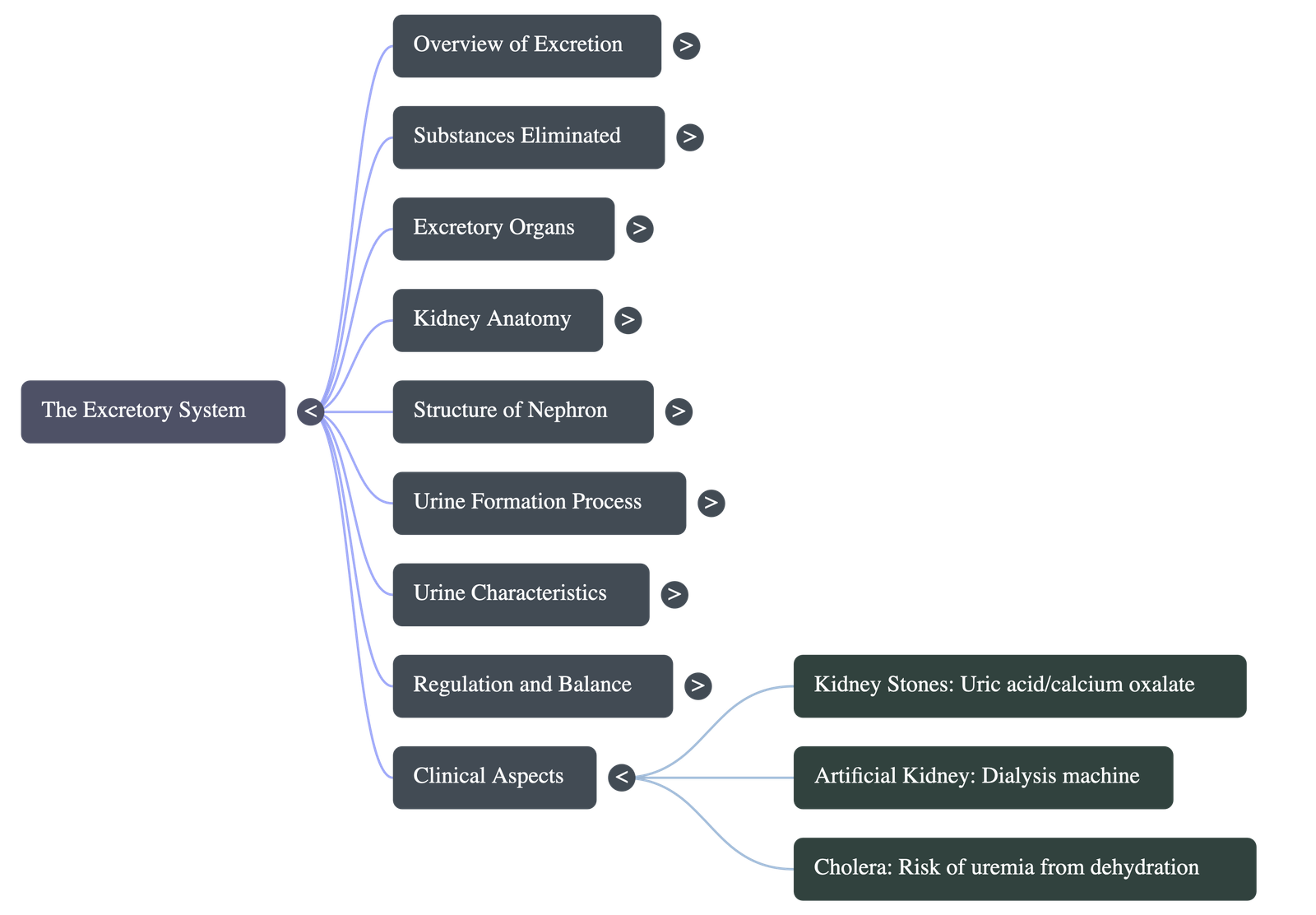
- Gout and Kidney Stones: Uric acid is less soluble and can crystallize. Deposition in joints causes gout. Excessive uric acid and calcium oxalate can form kidney stones.
9.7 Osmoregulation
- Definition: The kidney regulates the composition of blood by balancing the percentage of water and salts. This regulation of the blood's osmotic pressure is called osmoregulation.
- Seasonal Differences: In summer, considerable water is lost through sweat, meaning kidneys must reabsorb more water, resulting in thicker, more concentrated urine and less frequent urination.
- Cholera and Uremia: In cholera, severe vomiting and watery bowels prevent the intestines from absorbing water. The kidneys end up reabsorbing all water from the glomerular filtrate, along with urea. The deadly accumulation of urea in the blood is called uremia.
9.8 Artificial Kidney
- Dialysis Machine: If both kidneys fail, an artificial kidney is used. The patient's blood is led from an artery (radial artery in the arm) into the machine where urea and excess salts are removed. The purified blood is returned to a vein.
- In severe cases of permanent damage, dialysis must be repeated for about twelve hours twice a week.
Do checkout all questions & answers of this chapter.
Quick Navigation:
| | | |
1 / 1
Quick Navigation:
| | | |
Quick Navigation:
| | | |