Quick Navigation:
| | | |
LEÇON 12: LA FRANCOPHONIE
1. Introduction à la Francophonie (1. Introduction to the Francophonie)
- Le chapitre commence par une grande carte montrant la population francophone dans le monde. The chapter begins with a large map showing the francophone population in the world.
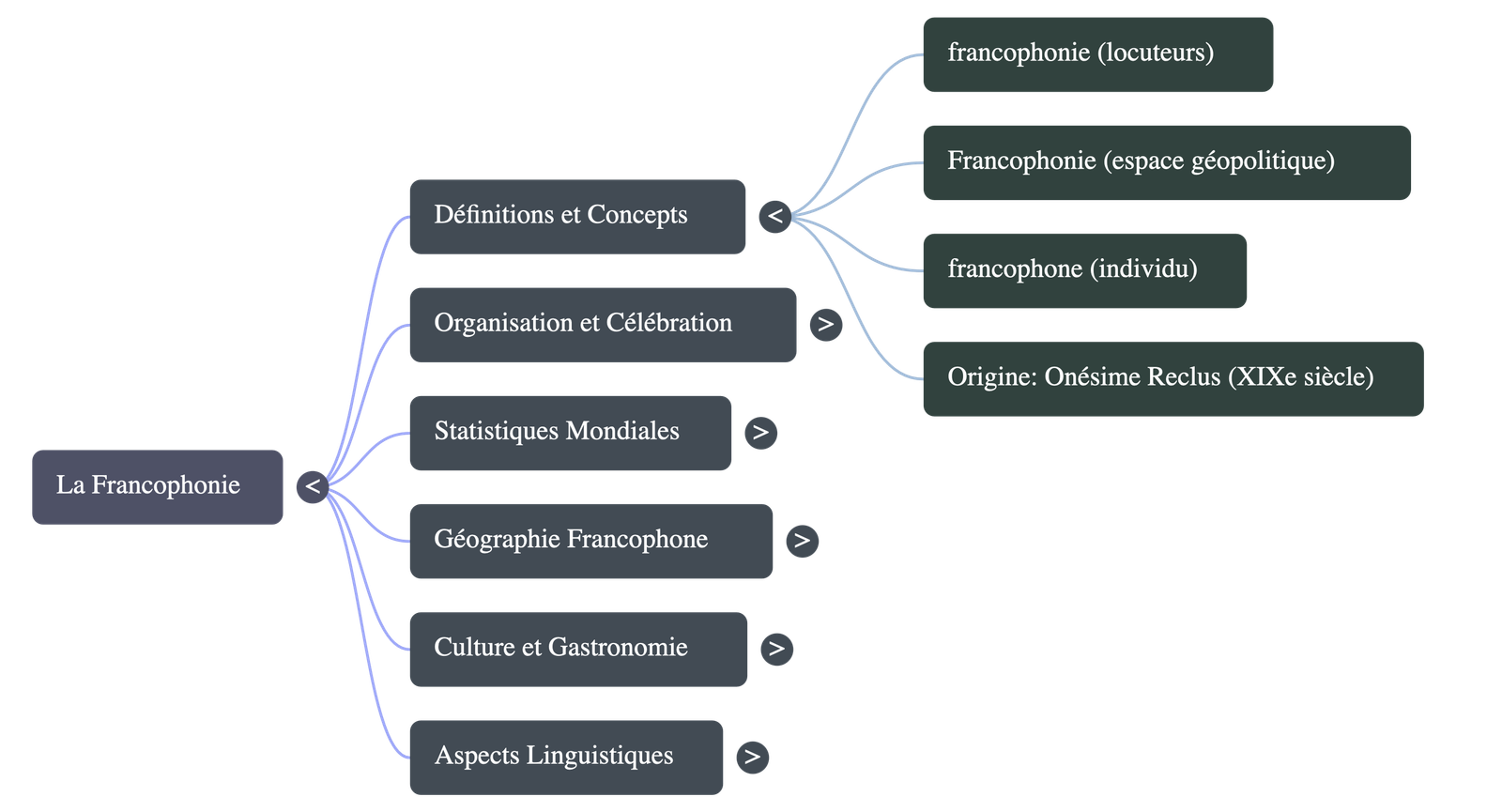
- Le mot « francophonie » a été inventé à la fin du dix-neuvième siècle par le géographe Onésime Reclus. The word "francophonie" was invented at the end of the nineteenth century by the geographer Onésime Reclus.
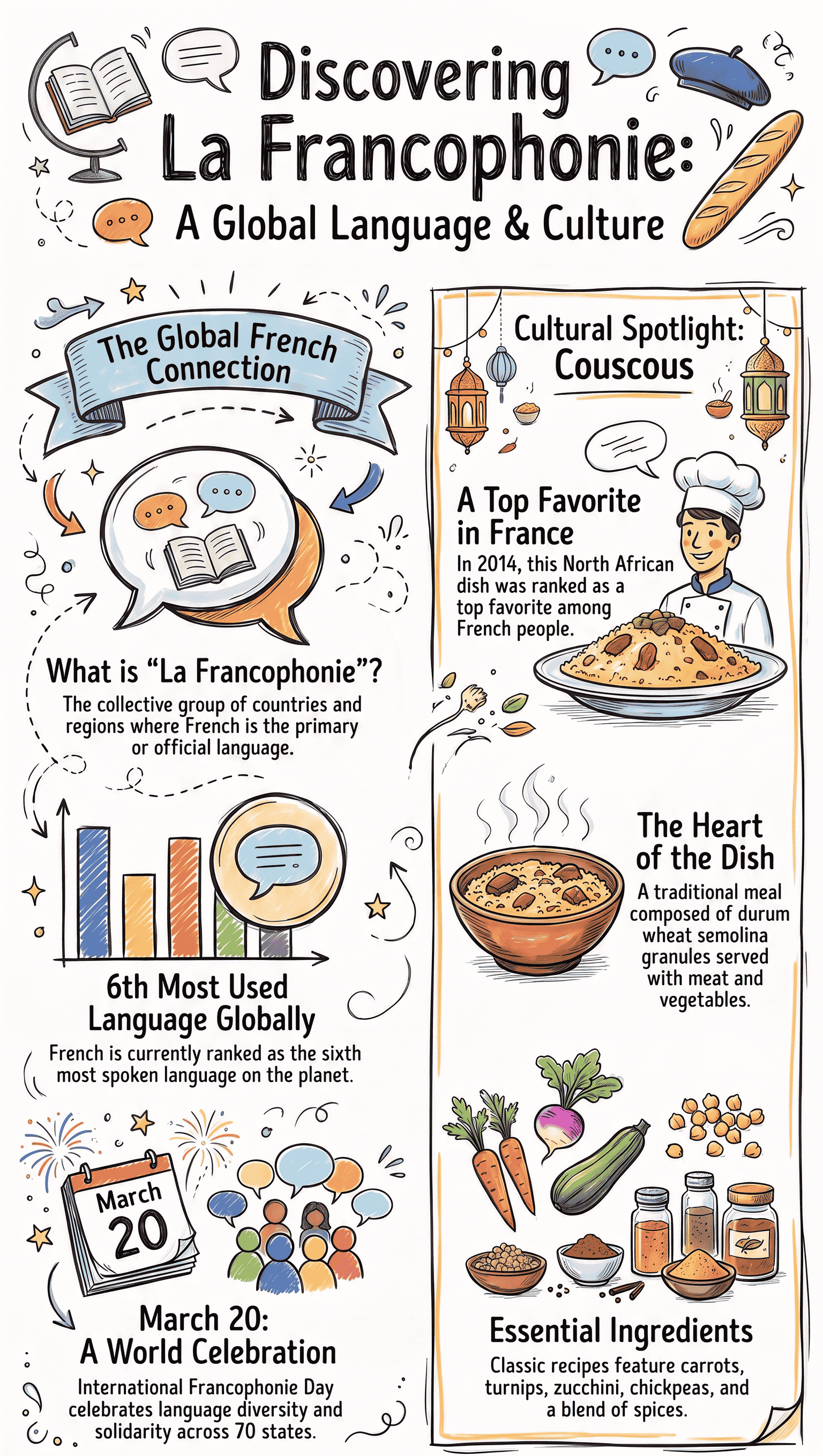
- La Francophonie avec un grand 'F' représente tous les pays et régions où le français est la langue officielle, maternelle ou administrative. The Francophonie with a capital 'F' represents all the countries and regions where French is the official, maternal, or administrative language.
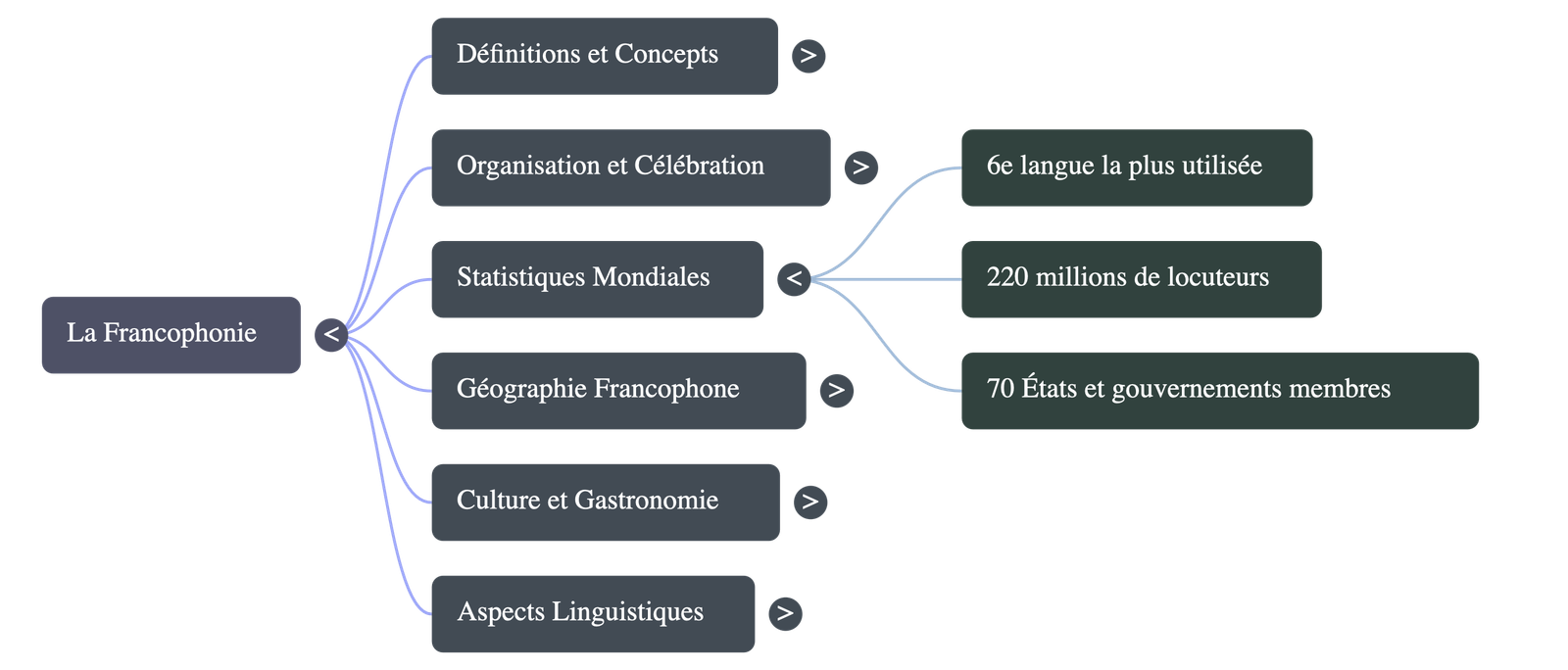
- Le français est classé comme la sixième langue la plus utilisée sur notre planète. French is ranked as the sixth most used language on our planet.
- Une personne francophone est simplement quelqu'un qui parle français. A francophone person is simply someone who speaks French.
2. Un Courriel du Sénégal (2. An Email from Senegal)
- La section suivante présente un courriel écrit par Ali et Nargis à leur ami Denis. The following section presents an email written by Ali and Nargis to their friend Denis.
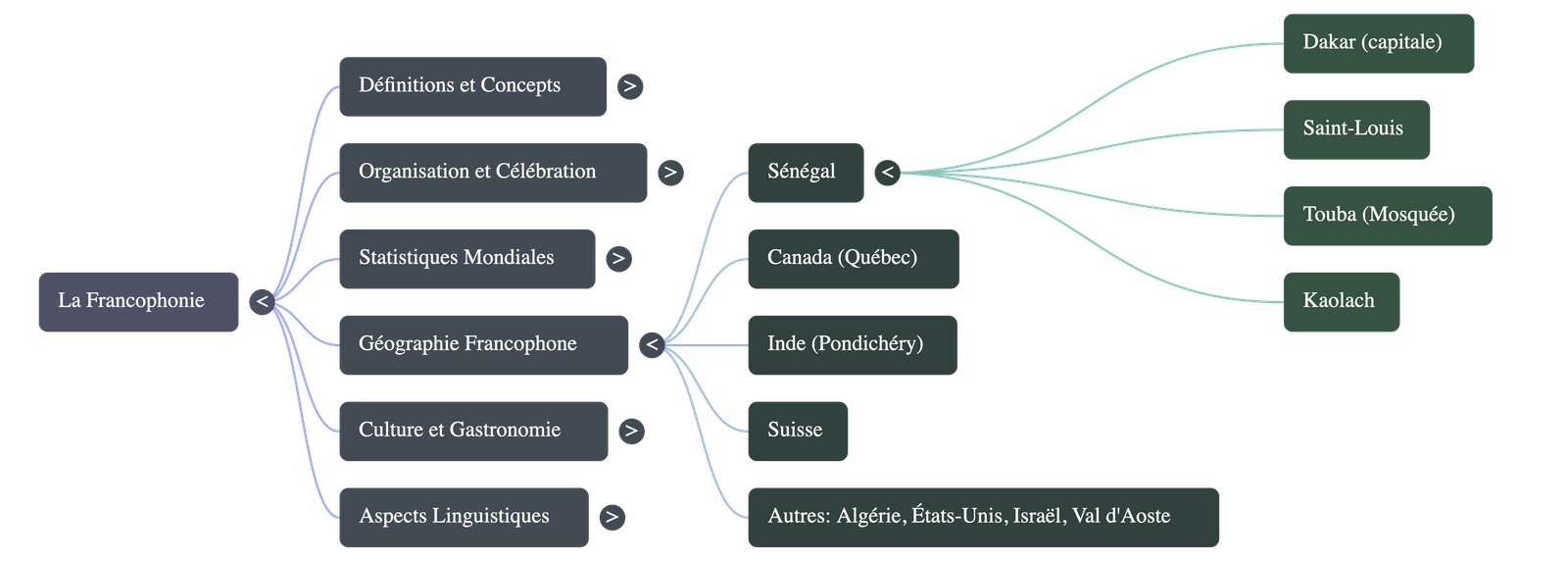
- Ils écrivent de St. Louis au Sénégal, et racontent leur voyage dans différentes villes comme Dakar et Kaolach. They write from St. Louis in Senegal, and talk about their trip to different cities like Dakar and Kaolach.
- Ils mentionnent également leur visite à la célèbre mosquée de Touba et au parc aux oiseaux de Djoudi. They also mention their visit to the famous mosque of Touba and the Djoudi bird park.
- Les étudiants doivent ensuite répondre à des questions de compréhension sur ce texte. The students must then answer comprehension questions about this text.
3. La Recette du Couscous (3. The Couscous Recipe)
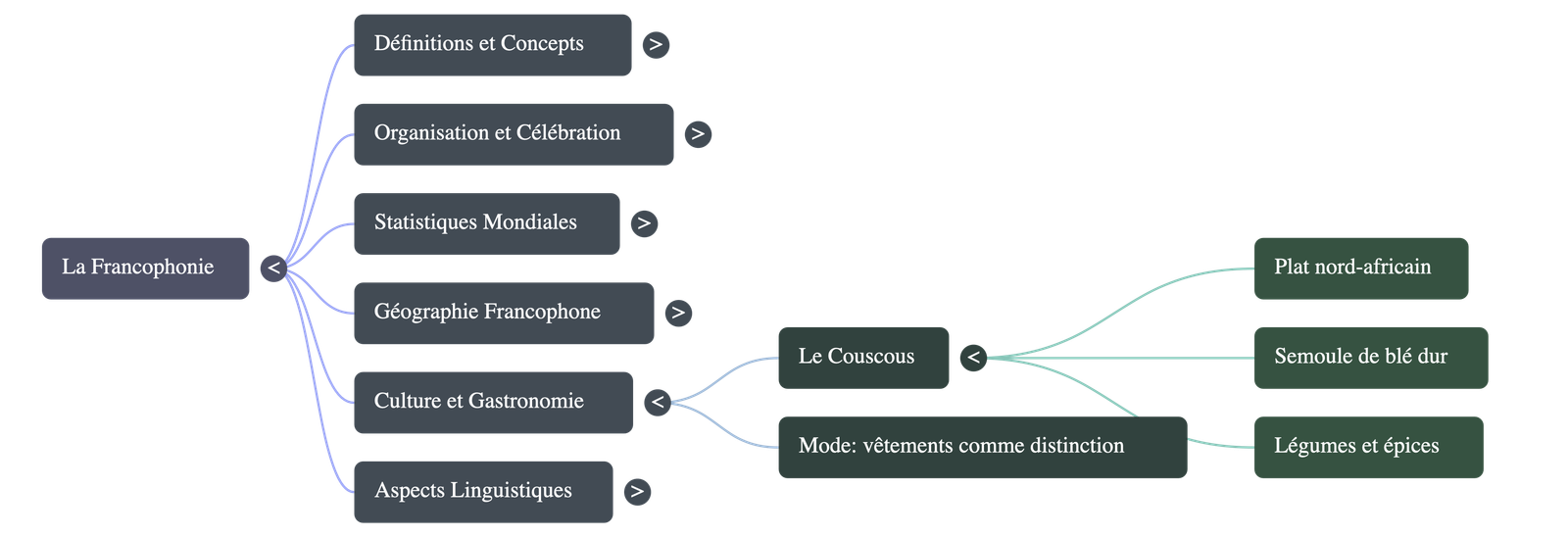
- Le livre présente le couscous, un plat nord-africain qui est devenu le repas préféré des Français en 2014. The book presents couscous, a North African dish that became the favorite meal of the French in 2014.
- Il donne une liste détaillée des ingrédients, y compris l'huile d'olive, les carottes, les courgettes, les navets et les pois chiches. It gives a detailed list of ingredients, including olive oil, carrots, zucchinis, turnips, and chickpeas.
- Les instructions de préparation expliquent comment laver, éplucher, couper et cuire les légumes avec des épices. The preparation instructions explain how to wash, peel, cut, and cook the vegetables with spices.
- Cette partie se termine par des exercices pour remplir les blancs et associer des verbes d'action au bon vocabulaire. This part ends with fill-in-the-blank exercises and matching action verbs to the correct vocabulary.
4. La Poésie et la Journée de la Francophonie (4. Poetry and Francophonie Day)
- Les élèves lisent un poème amusant qui utilise le conditionnel pour imaginer un monde à l'envers. Students read an amusing poem that uses the conditional to imagine an upside-down world.
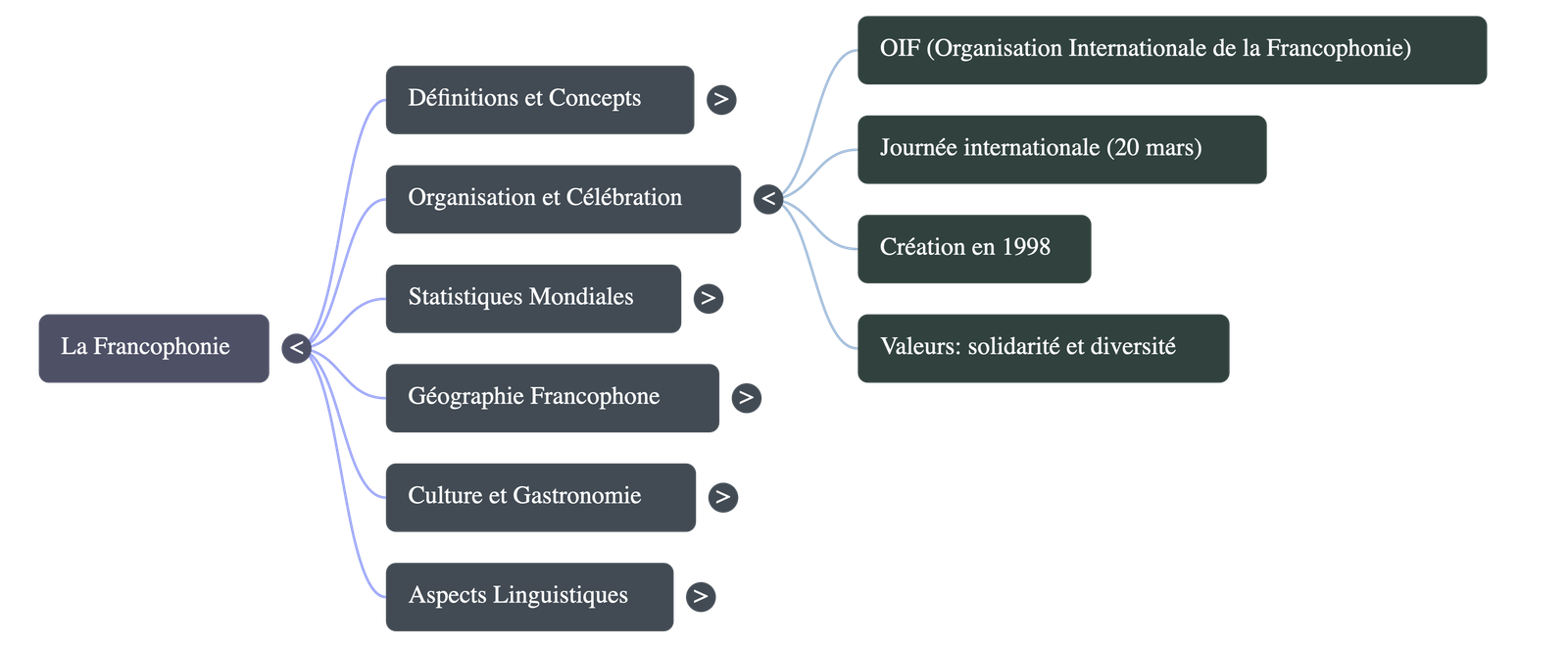
- Ensuite, un texte informatif explique que le 20 mars est la Journée internationale de la Francophonie. Next, an informative text explains that March 20th is International Francophonie Day.
- Cet événement a été créé en 1998 pour célébrer le lien commun de la langue française entre soixante-dix États et gouvernements. This event was created in 1998 to celebrate the common bond of the French language among seventy states and governments.
- Il rassemble des millions de locuteurs pour partager la solidarité et célébrer la diversité culturelle. It brings together millions of speakers to share solidarity and celebrate cultural diversity.
5. Découverte Visuelle et Bilan de Grammaire (5. Visual Discovery and Grammar Review)
- Il y a une page avec des photographies montrant des lieux francophones célèbres comme Pondichéry, la Suisse, le Québec et le Sénégal. There is a page with photographs showing famous francophone places like Pondicherry, Switzerland, Quebec, and Senegal.
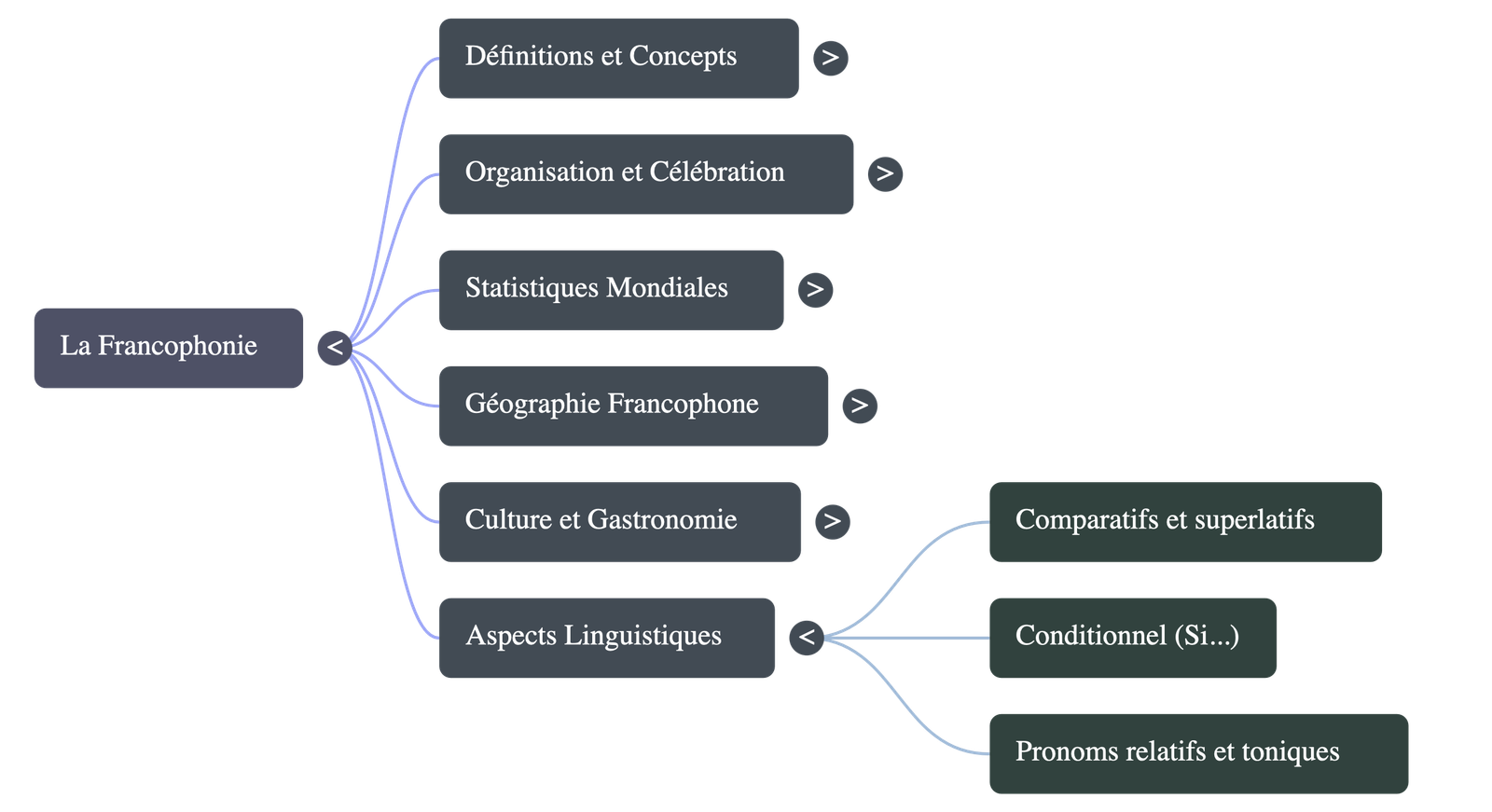
- La section Bilan 4 teste les connaissances des étudiants sur les comparatifs et les superlatifs. The Review 4 section tests the students' knowledge on comparatives and superlatives.
- Il y a de nombreux exercices de conjugaison des verbes aux temps corrects, y compris l'utilisation des pronoms relatifs et toniques. There are numerous verb conjugation exercises in the correct tenses, including the use of relative and tonic pronouns.
- Les élèves s'entraînent également avec les pronoms compléments d'objet direct et indirect. The students also practice with direct and indirect object pronouns.
6. Le Vêtement Comme Marque de Distinction (6. Clothing as a Mark of Distinction)
- Un texte de lecture explore comment les vêtements font plus que simplement nous protéger du froid et de la chaleur. A reading text explores how clothes do more than just protect us from cold and heat.
- Le texte explique que les vêtements nous différencient par la couleur, la marque et le prix. The text explains that clothes differentiate us by color, brand, and price.
- Il souligne l'importance de la mode à l'école et le désir de porter les mêmes vêtements que ses amis. It highlights the importance of fashion at school and the desire to wear the same clothes as one's friends.
- Le passage se termine par des questions de compréhension pour tester la capacité de lecture de l'élève. The passage ends with comprehension questions to test the student's reading ability.
7. L'Auto-évaluation (7. Self-Evaluation)
- À la toute fin du chapitre, il y a une grille pour que les élèves évaluent leurs propres progrès. At the very end of the chapter, there is a grid for students to evaluate their own progress.
- Ils doivent cocher s'ils peuvent maintenant donner une opinion, exprimer des souhaits, écrire une lettre ou décrire un pays francophone. They must check if they can now give an opinion, express wishes, write a letter, or describe a francophone country.
Do checkout all questions & answers of this chapter.
Quick Navigation:
| | | |
1 / 1
Quick Navigation:
| | | |