Quick Navigation:
| | | | |
Quick Navigation:
| | | | |
Nelson Mandela: Long Walk to Freedom
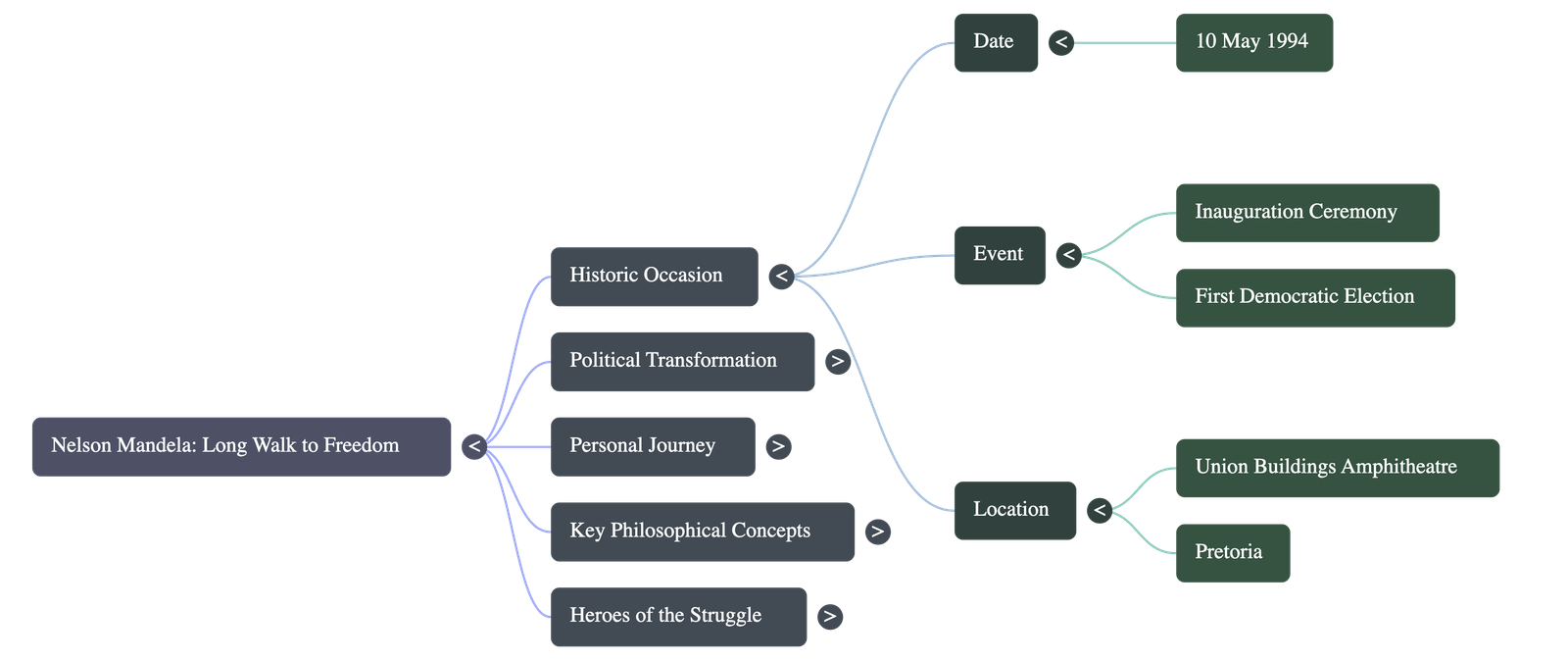
The Inauguration Ceremony
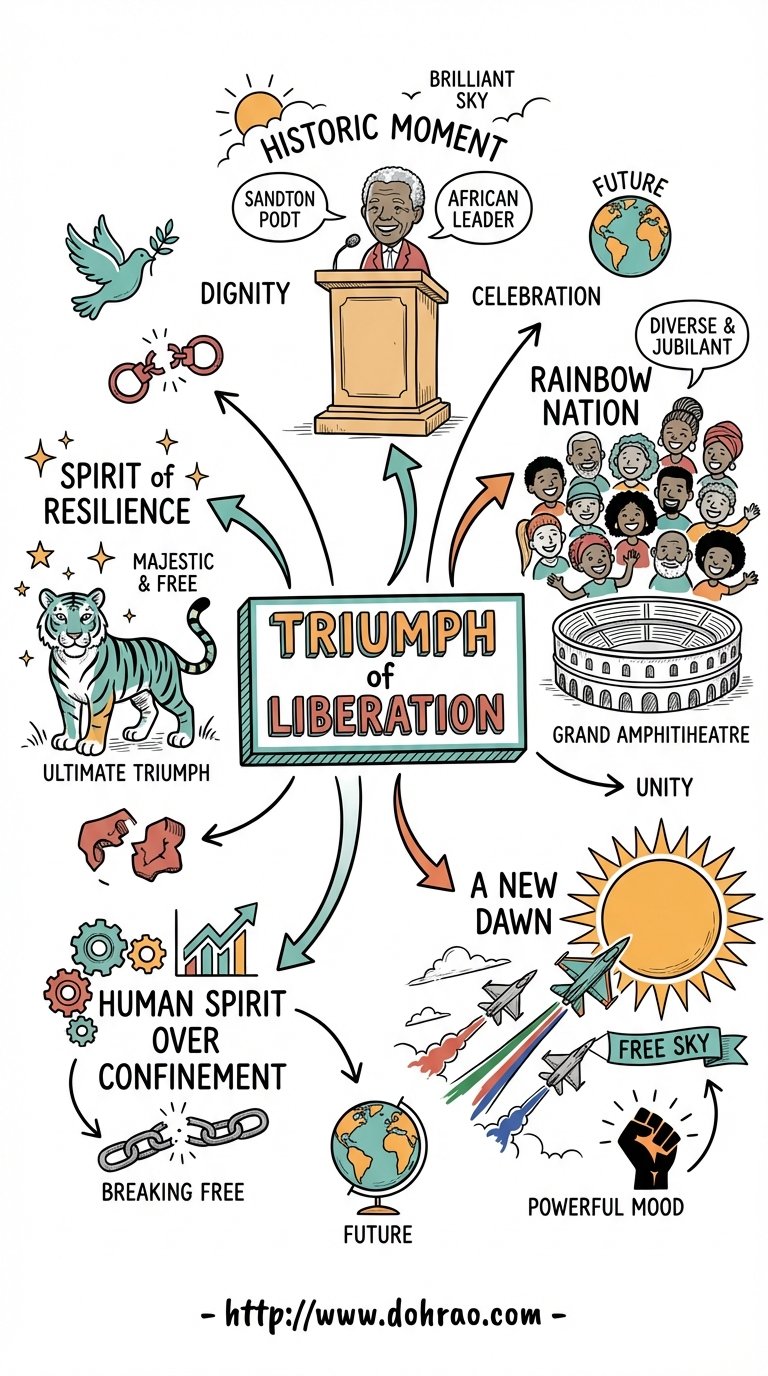
- Date and Location: The historic inauguration took place on the 10th of May in the lovely sandstone amphitheatre of the Union Buildings in Pretoria. It was a bright and clear autumn day.
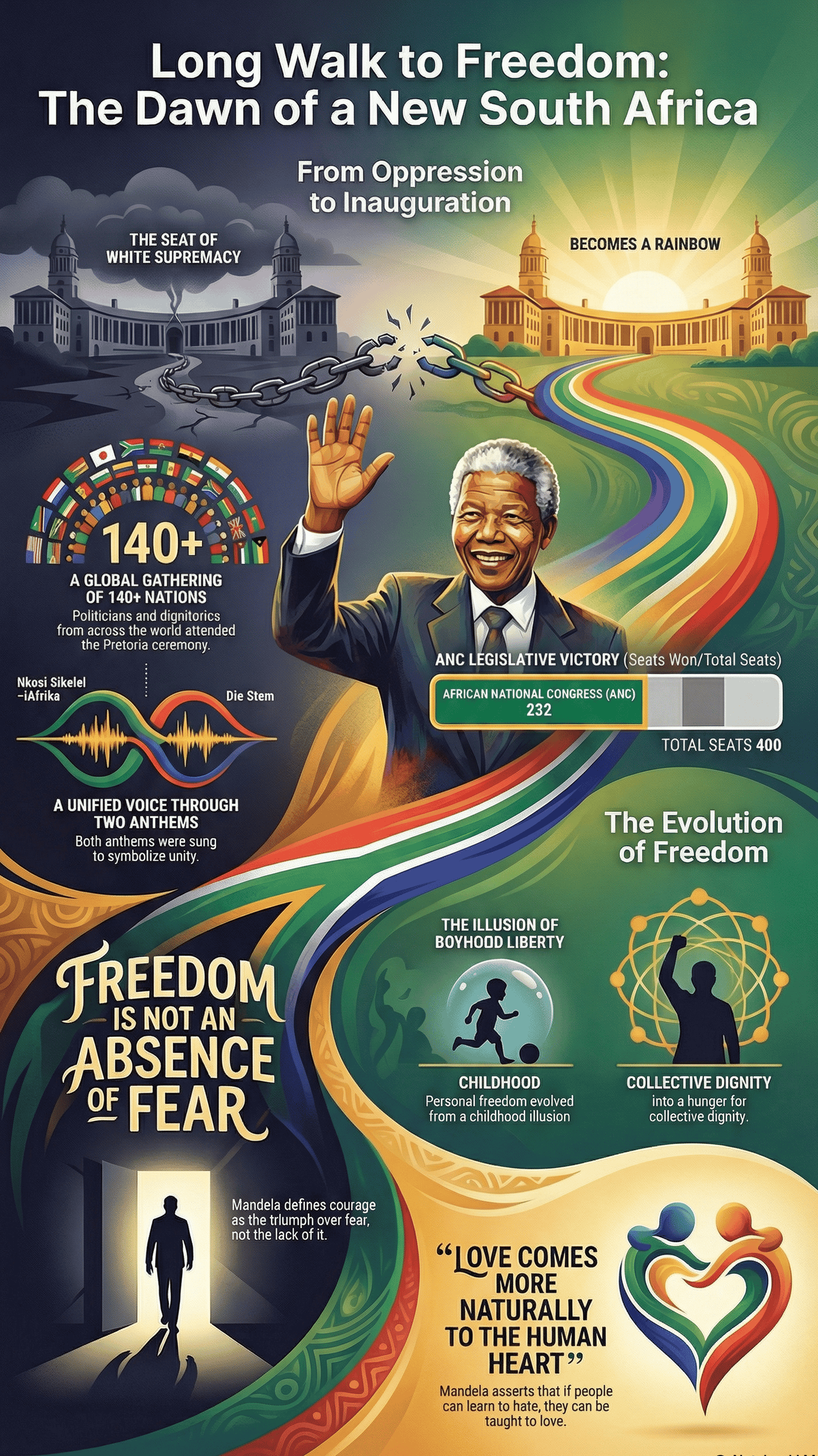
- Global Gathering: The event attracted a massive gathering of international leaders and dignitaries from more than 140 countries, making it the largest gathering of international leaders ever on South African soil.
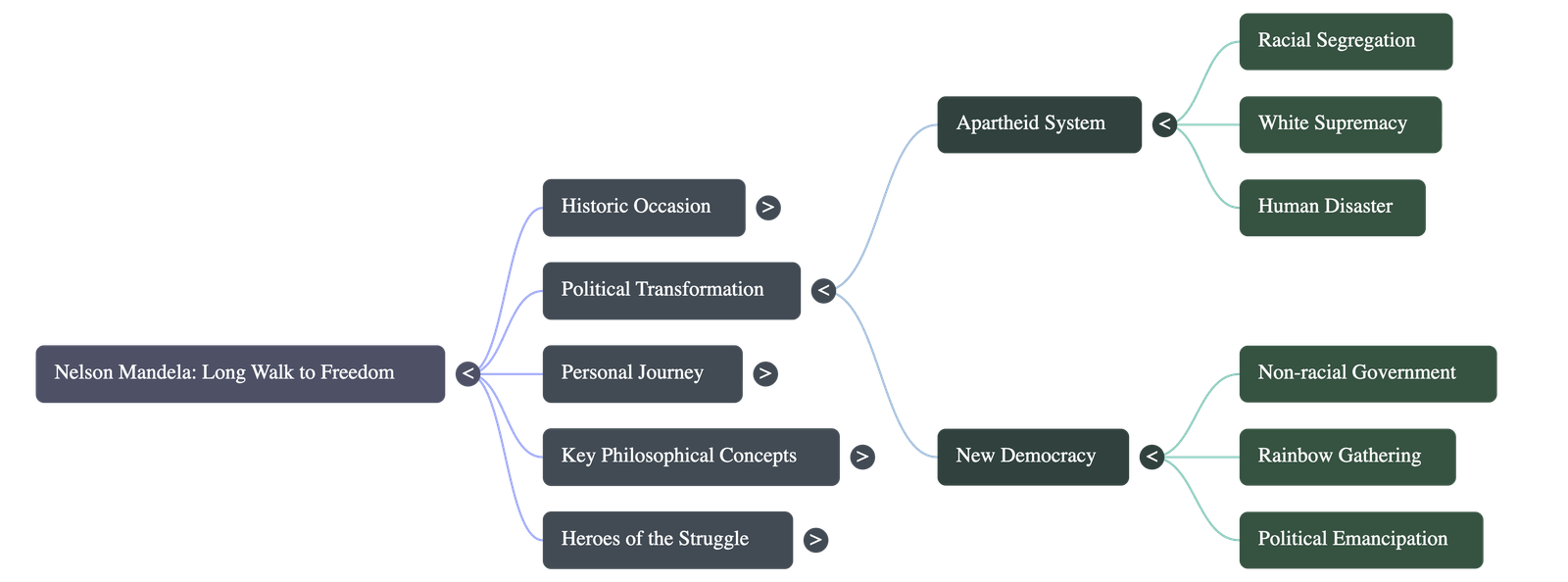
- Significance: This ceremony marked the installation of South Africa’s first democratic, non-racial government, replacing the seat of white supremacy with a "rainbow gathering" of different colours and nations.
- The Swearing-in: Accompanied by his daughter Zenani, Nelson Mandela watched as Mr. de Klerk was sworn in as second deputy president and Thabo Mbeki as first deputy president. Mandela was then sworn in, pledging to uphold the Constitution and devote himself to the Republic and its people.
Mandela’s Address
- Theme of Liberty: Mandela spoke of a "newborn liberty" arising from an "extraordinary human disaster" (Apartheid) that lasted too long. He declared that a society must be born of which all humanity would be proud.
- Global Gratitude: He thanked the international guests for coming to take possession of a common victory for justice, peace, and human dignity.
- Pledge for the Future: Mandela pledged to liberate his people from poverty, deprivation, suffering, and discrimination. He famously declared, "Never, never, and never again shall it be that this beautiful land will again experience the oppression of one by another."
Spectacle and Symbolism
- Military Loyalty: A spectacular display of South African jets and helicopters roared over the Union Buildings. This was not just a show of force, but a demonstration of the military's loyalty to the new democracy. Generals who would have arrested Mandela years ago now saluted him.
- National Anthems: The day was symbolized by the playing of two national anthems: the vision of whites singing 'Nkosi Sikelel –iAfrika' and blacks singing 'Die Stem', the old anthem of the Republic.
Reflections on History and Sacrifice
- The Apartheid System: Mandela reflected on how, in the first decade of the 20th century, a system of racial domination was erected against dark-skinned people. This structure created one of the harshest and most inhumane societies the world had ever known.
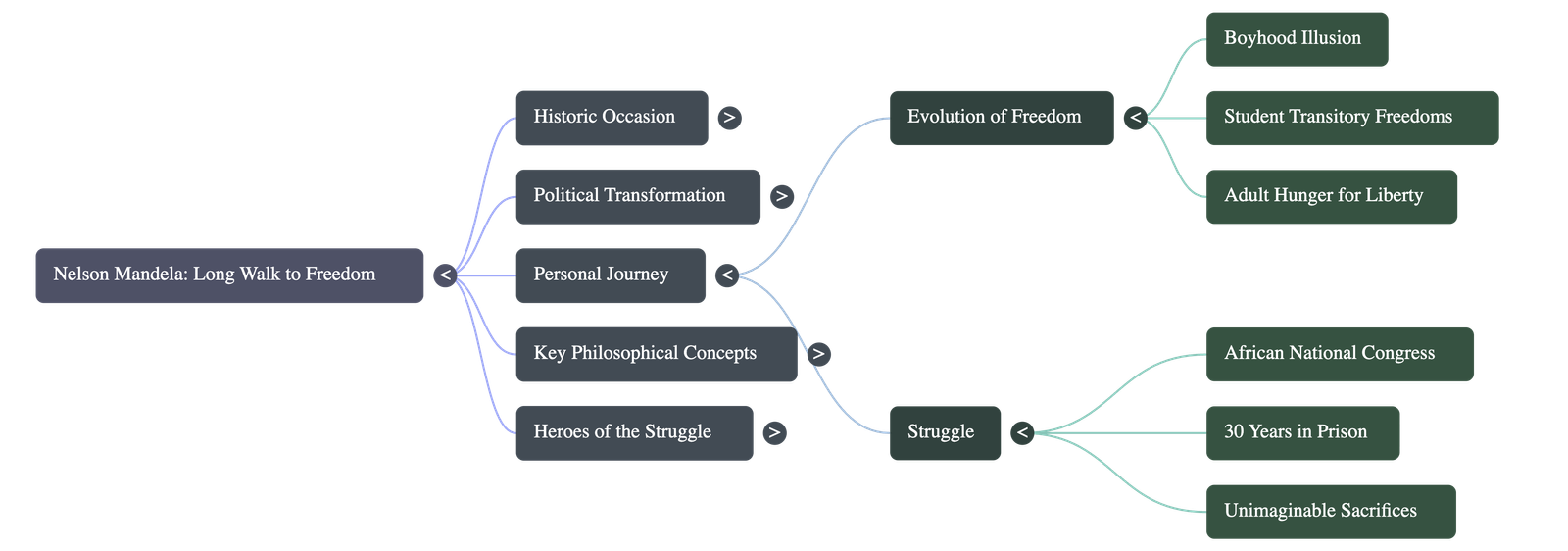
- The Cost of Freedom: He acknowledged that the new freedom came through the unimaginable sacrifices of thousands of African patriots. Mandela felt he was simply the sum of all those who had gone before him, lamenting that he could not thank them for what their sacrifices had wrought.
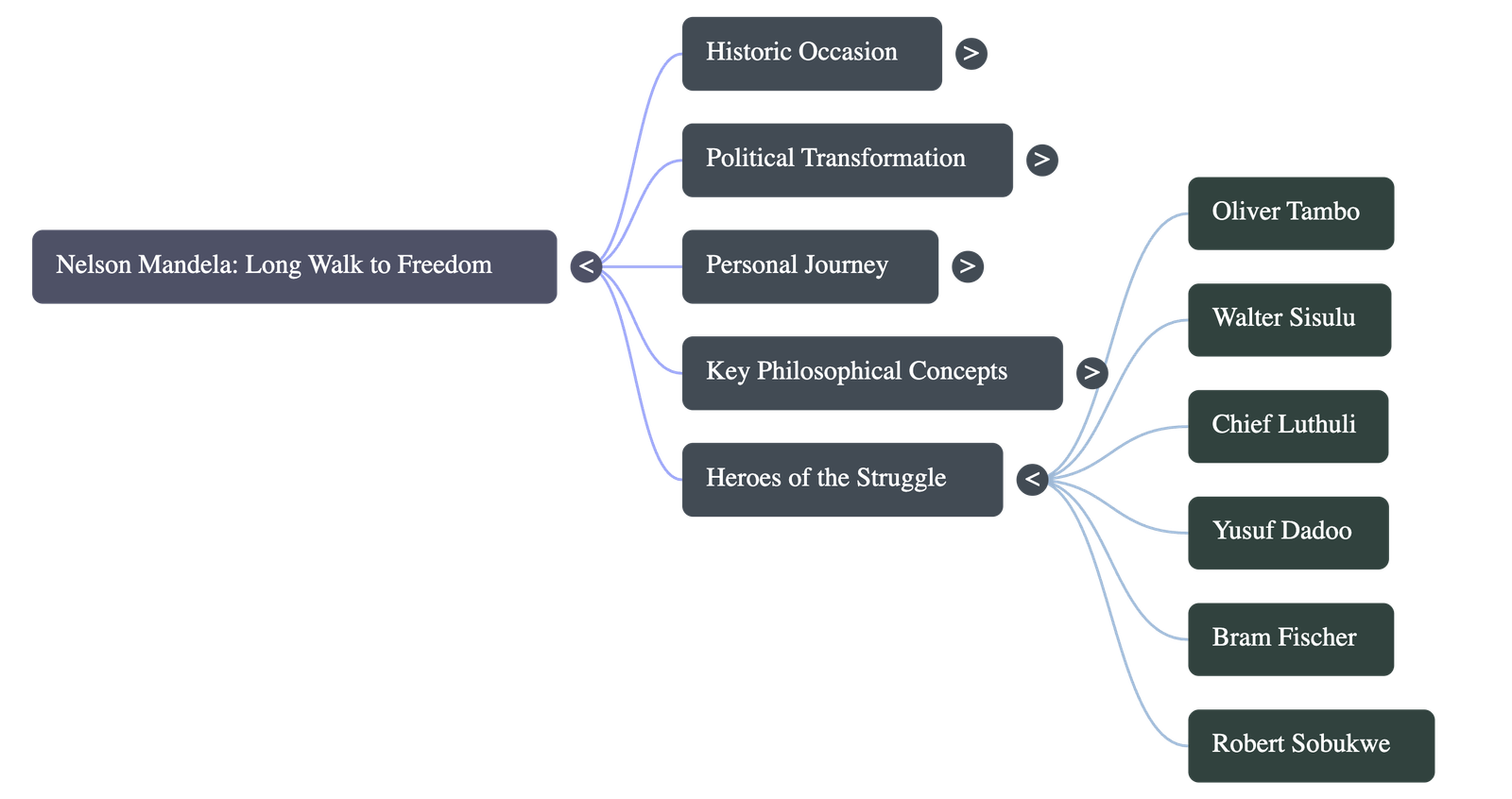
- Character from Oppression: Mandela noted that the decades of oppression had the unintended effect of producing men of extraordinary courage, wisdom, and generosity (such as the Tambos and Sisulus), suggesting that deep oppression creates heights of character.
- True Wealth: He stated that while his country is rich in minerals, its greatest wealth is its people, who are finer and truer than pure diamonds.
Concepts of Courage, Love, and Obligation
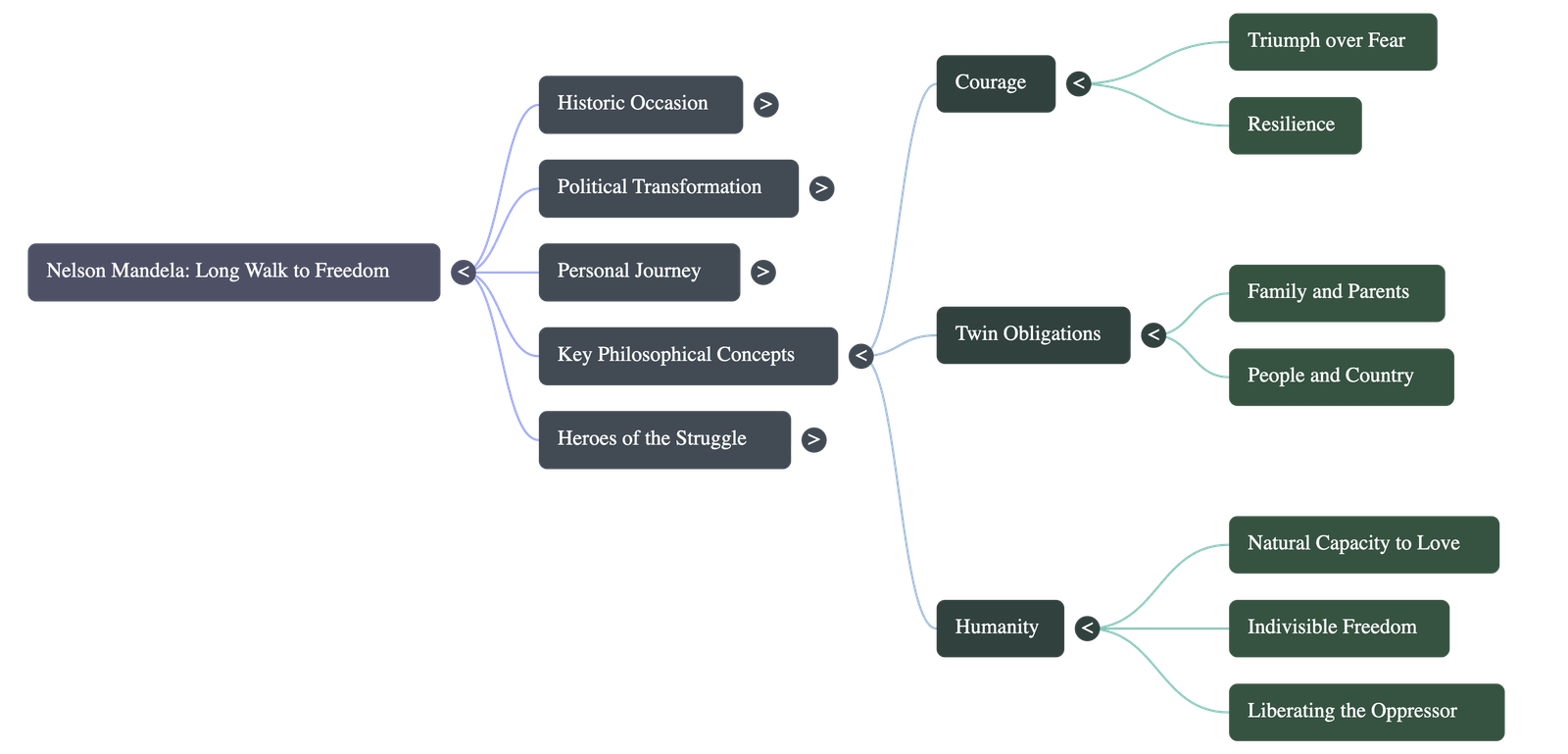
- Definition of Courage: Mandela learned that courage is not the absence of fear, but the triumph over it. The brave man is the one who conquers fear.
- Love vs. Hate: He argued that no one is born hating another person because of their skin color or religion. Since people must learn to hate, they can be taught to love, for love comes more naturally to the human heart.
- Twin Obligations: Every man has two obligations: to his family (parents, wife, children) and to his people (community and country). In a civil society, one can fulfill both. However, under Apartheid, a man of colour who tried to fulfill his duty to his people was ripped from his family and forced into a life of secrecy and rebellion.
The Evolution of Freedom
- Boyhood Freedom: As a child, Mandela felt he was born free—free to run in the fields and swim in streams—as long as he obeyed his father and tribal customs.
- Transitory Freedom: As a young man, he realized his boyhood freedom was an illusion. He initially yearned for "transitory freedoms" like staying out at night or earning his keep.
- True Freedom: Later, he realized that not only was he not free, but his brothers and sisters were not free either. He saw that freedom is indivisible; the chains on one were chains on all. This realization drove him to join the African National Congress and fight for the freedom of his people.
- Liberating the Oppressor: Mandela concluded that the oppressor must be liberated just as surely as the oppressed. A man who takes away another's freedom is a prisoner of hatred and prejudice. True freedom involves respecting and enhancing the freedom of others.
Do checkout all questions & answers of this chapter.
Quick Navigation:
| | | | |
1 / 1
Quick Navigation:
| | | | |