Quick Navigation:
| | | |
The Making of a Scientist
Introduction to a Prodigy
- At the age of twenty-two, Richard H. Ebright shocked the scientific community by publishing a new theory on how cells work in the Proceedings of the National Academy of Science.
- This achievement was historic, as it was the first time the prestigious journal had published the work of college students.
Early Life and Childhood Interests
- Growing up in Reading, Pennsylvania, as an only child, Ebright developed a deep passion for collecting things, including rocks, fossils, coins, and butterflies.
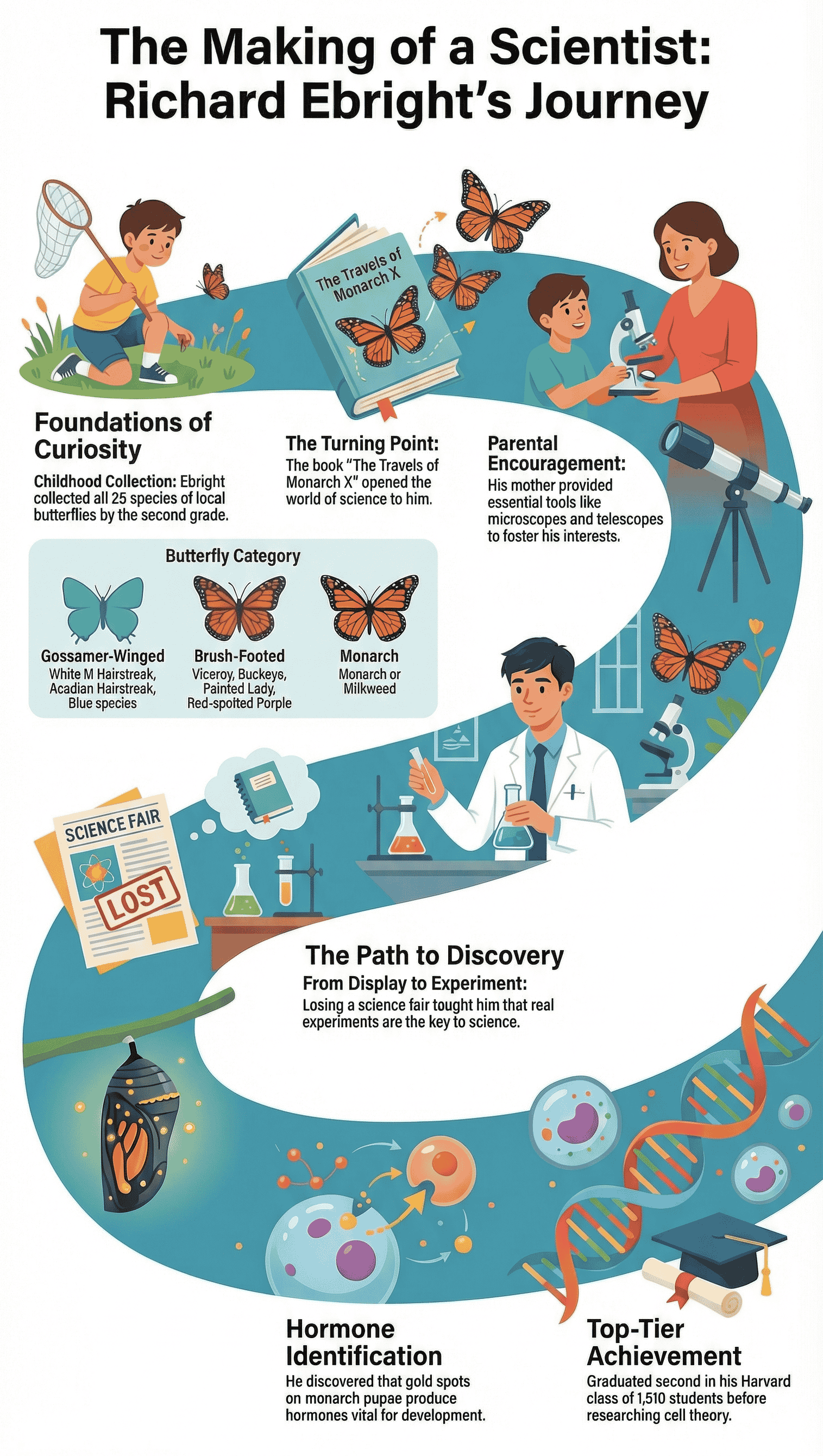
- By the second grade, he had successfully collected all twenty-five species of butterflies found in his hometown.
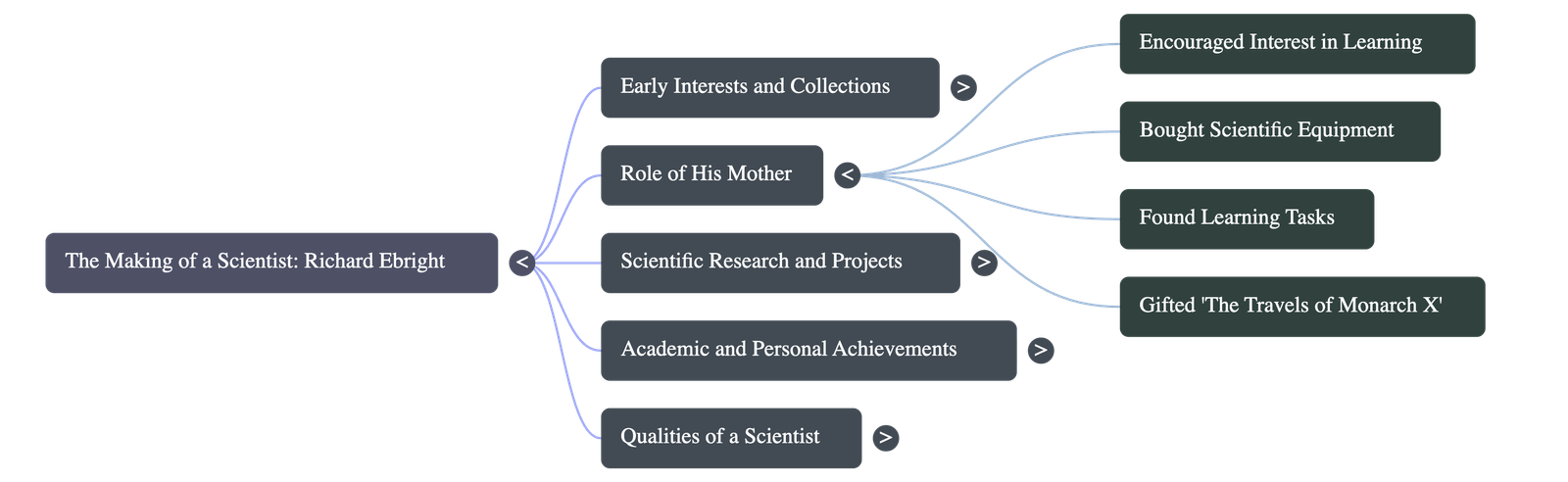
- His mother played a pivotal role in his development, encouraging his curiosity by providing him with telescopes, microscopes, cameras, and educational trips.
The Turning Point: "The Travels of Monarch X"
- Ebright’s interest in science was solidified when his mother bought him a book titled "The Travels of Monarch X," which detailed the migration of monarch butterflies to Central America.
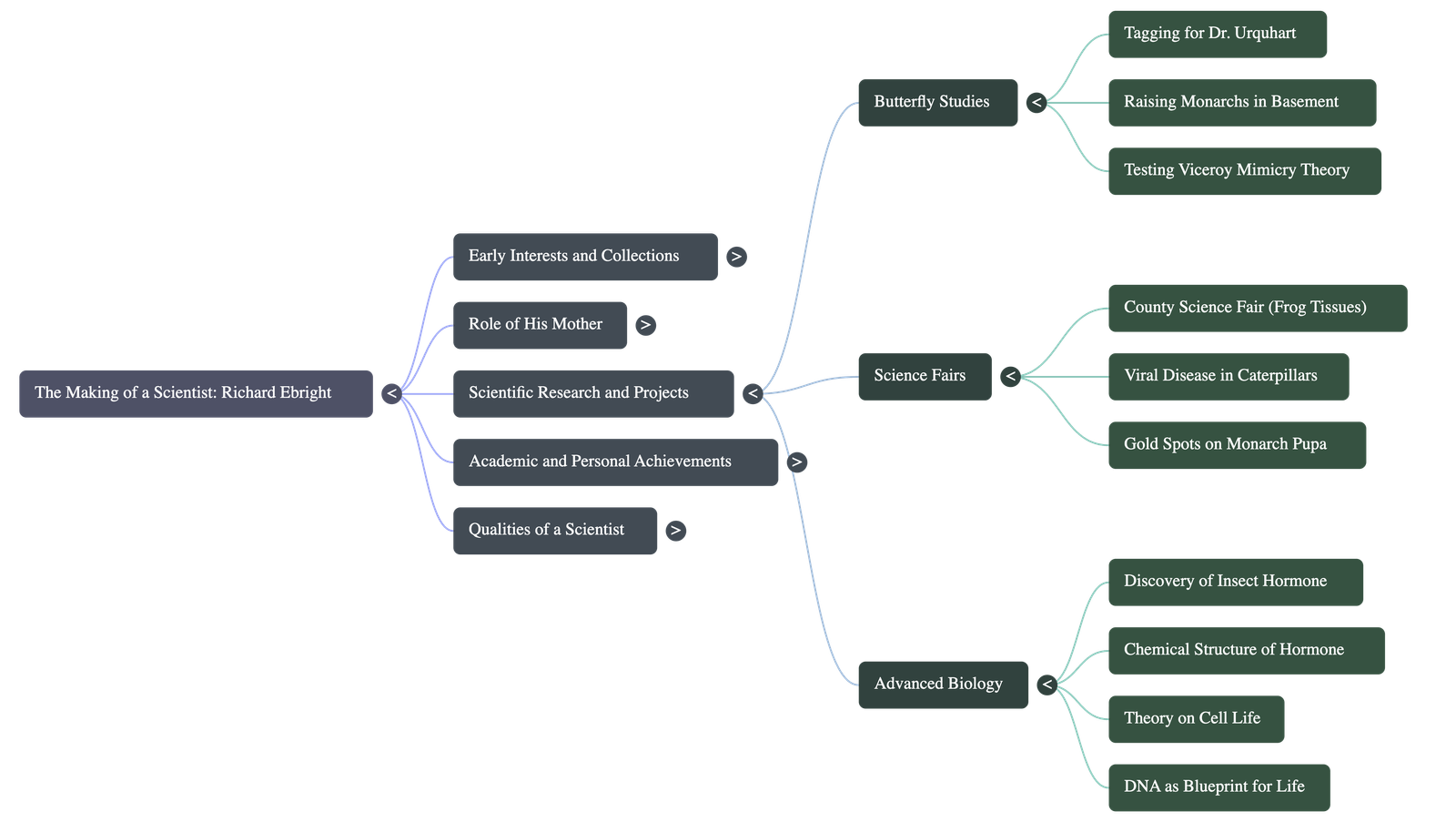
- The book invited readers to participate in research by tagging butterflies for Dr. Frederick A. Urquhart of the University of Toronto.
- This led Ebright to raise thousands of monarchs in his basement, tracking their life cycle from egg to adult to study their migration patterns.
Evolution Through Science Fairs
- The First Lesson: In the seventh grade, Ebright entered a county science fair and lost. He realized that real science requires actual experiments rather than just making a "neat display."
- Eighth Grade Project: He investigated a viral disease killing monarch caterpillars, winning a prize for demonstrating his experimental process.
- Viceroy Mimicry: He later tested the theory that viceroy butterflies mimic monarchs to avoid being eaten by birds, earning top honors in the zoology division.
Groundbreaking Research on Cells and DNA
- The Gold Spots: Ebright discovered that the twelve gold spots on a monarch pupa were not ornamental but produced a hormone necessary for the butterfly’s development.
- Chemical Structure: Using advanced instruments at the Department of Agriculture’s laboratory, he identified the chemical structure of this hormone.
- The "Blueprint" of Life: While looking at X-ray photos of the hormone, he formulated a theory on how the cell "reads" the DNA in its nucleus.
- He concluded that DNA is the blueprint for life, controlling heredity and determining the form and function of cells.
A Well-Rounded Personality
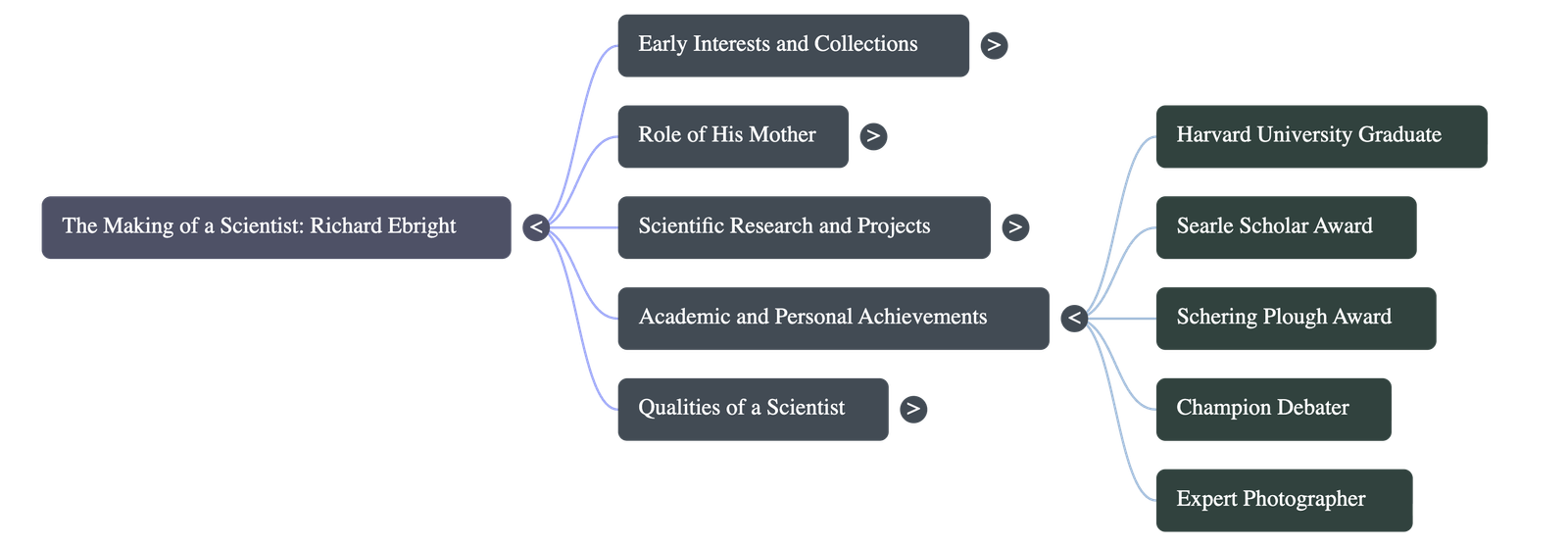
- Beyond the lab, Ebright was a champion debater, a public speaker, a canoeist, and an expert nature photographer.
- He credits his social studies teacher, Richard A. Weiherer, for opening his mind to new ideas and encouraging his competitive spirit.
Conclusion: The Recipe for Success
- The chapter concludes that the "making of a scientist" requires a combination of a first-rate mind, intense curiosity, and the will to win for the right reasons.
Do checkout all questions & answers of this chapter.
Quick Navigation:
| | | |
1 / 1
Quick Navigation:
| | | |